Discover the Enchanting World of Plumeria Trees
When it comes to exotic tree plants, few can compare to the beauty and enchantment of the plumeria tree. With its vibrant, fragrant flowers and lush green foliage, the plumeria tree is a sight to behold in any garden or landscape. In this guide, we will explore the world of plumeria trees, from their origins and characteristics to tips on how to grow and care for these stunning plants.
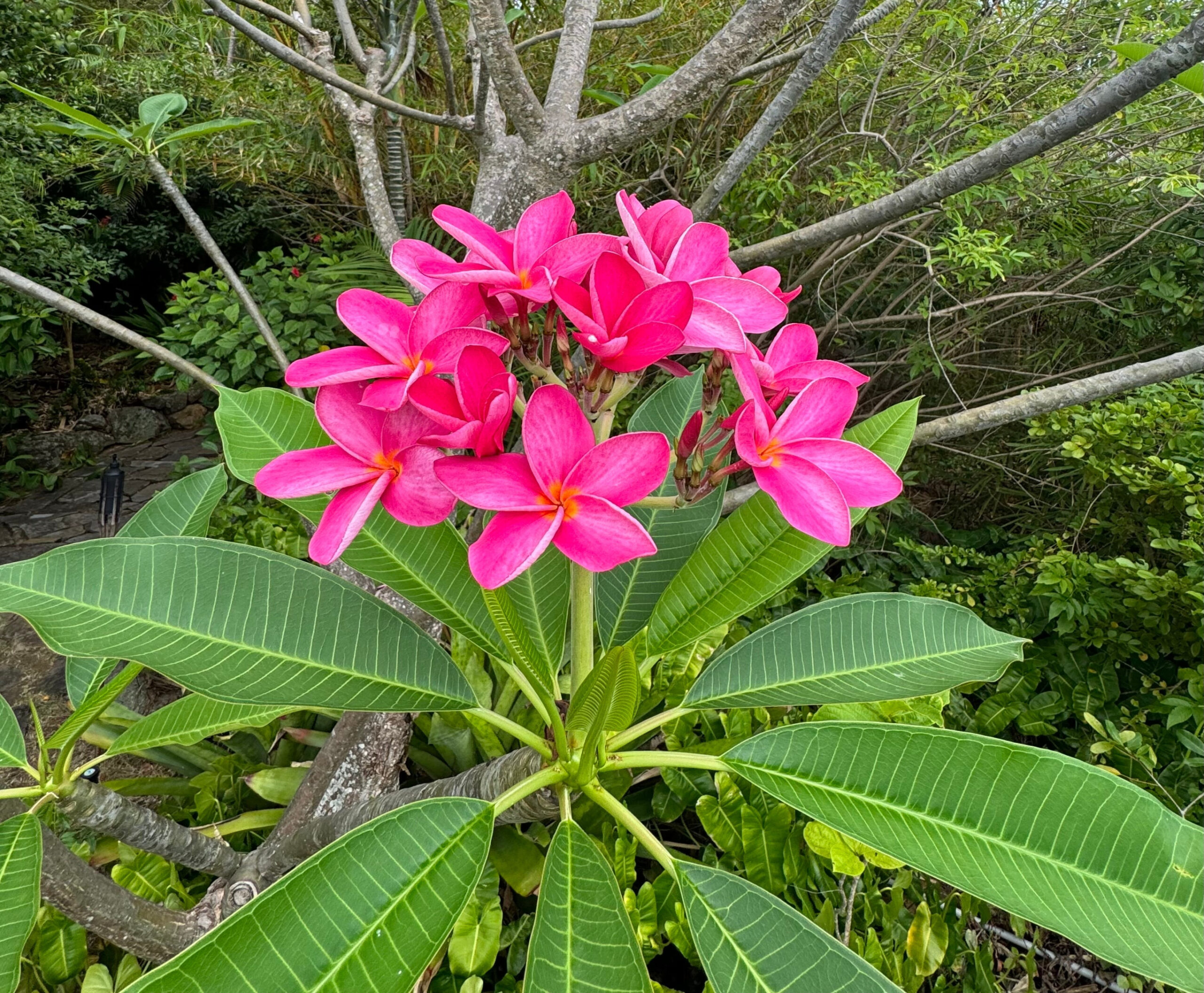
Plumeria trees, also known as frangipani or lei flowers, are native to tropical regions such as Central America, the Caribbean, and Southeast Asia. They are prized for their colorful, fragrant flowers, which come in a variety of shades including white, pink, yellow, and red. The flowers have a sweet, floral scent that can perfume an entire garden, making them a popular choice for gardens, parks, and landscapes.
One of the most enchanting aspects of plumeria trees is their symbolism and cultural significance. In many tropical countries, plumeria flowers are used in leis and other floral arrangements for special occasions such as weddings, graduations, and religious ceremonies. The flowers are also associated with love, beauty, and immortality, making them a cherished symbol in many cultures.
Growing and caring for plumeria trees can be a rewarding experience for gardeners of all skill levels. Plumeria trees are relatively easy to grow and require minimal maintenance once established. They thrive in warm, sunny climates and prefer well-draining soil. Plumeria trees can be grown in containers or in the ground, making them a versatile choice for gardens of all sizes.
To grow a healthy and vibrant plumeria tree, it is important to provide the proper care and maintenance. Plumeria trees require regular watering, especially during hot, dry weather. They also benefit from occasional fertilization to promote healthy growth and blooming. Pruning is also important to remove dead or damaged branches and promote new growth.
One of the most exciting aspects of growing plumeria trees is watching them bloom. Plumeria flowers typically bloom in the spring and summer months, filling the air with their sweet fragrance and vibrant colors. The flowers can be used in floral arrangements or simply enjoyed on the tree, adding beauty and charm to any garden or landscape.
In addition to their beauty and fragrance, plumeria trees also have practical uses. The sap of the plumeria tree is used in traditional medicine to treat a variety of ailments, including skin conditions and respiratory problems. The wood of the plumeria tree is also used in woodworking and crafting, making it a versatile and valuable resource.
Overall, plumeria trees are a true treasure of the tropical world, with their stunning flowers, sweet fragrance, and cultural significance. Whether grown in a garden, landscape, or container, plumeria trees are sure to bring joy and beauty to any space. With the proper care and maintenance, plumeria trees can thrive and flourish, rewarding gardeners with their enchanting blooms year after year. So why not add a touch of exotic beauty to your garden with a plumeria tree today?
Cultivating Joy: Tips for Nurturing Your Plumeria Plant
Welcome to the enchanting world of Plumeria trees! These exotic plants are known for their vibrant and fragrant flowers, making them a favorite among gardeners and flower enthusiasts alike. If you have recently acquired a Plumeria plant or are thinking about adding one to your garden, it’s important to understand how to properly care for and nurture this beautiful tree.
Plumeria plants, also known as Frangipani, are native to tropical regions such as Central America, the Caribbean, and South America. They thrive in warm, humid climates and require plenty of sunlight to flourish. When it comes to cultivating joy with your Plumeria plant, here are some tips to help you grow and care for this exotic tree:
1. Choose the Right Location:
Plumeria plants love sunlight, so be sure to place your tree in a spot where it will receive at least 6-8 hours of direct sunlight each day. Avoid placing your plant in areas with heavy shade, as this can inhibit flower production and overall growth.
2. Provide Well-Draining Soil:
Plumeria plants prefer well-draining soil that is rich in organic matter. Make sure to choose a potting mix that allows water to flow freely through the soil, preventing root rot and other water-related issues.
3. Water Wisely:
While Plumeria plants do require regular watering, it’s important not to overwater them. Allow the soil to dry out slightly between waterings, and be sure to water your plant thoroughly when you do water it. During the growing season, water your Plumeria plant once a week, and reduce watering in the winter months when the plant is dormant.
4. Fertilize Regularly:
To promote healthy growth and abundant flowering, fertilize your Plumeria plant regularly during the growing season. Use a balanced fertilizer with a higher phosphorus content to encourage flower production. Be sure to follow the manufacturer’s instructions for proper application.
5. Prune Your Plant:
Pruning your Plumeria plant is essential for maintaining its shape and promoting new growth. Remove any dead or damaged branches, as well as any suckers that may be growing at the base of the plant. Pruning should be done in the late winter or early spring before new growth begins.
6. Protect from Pests:
Plumeria plants are relatively pest-resistant, but they can still fall victim to common garden pests such as aphids, mealybugs, and spider mites. Keep an eye out for any signs of pest infestation, and treat your plant with a natural insecticide if necessary.
7. Consider Overwintering:
In cooler climates, Plumeria plants are not cold hardy and must be brought indoors for the winter months. Before the first frost, carefully dig up your plant and place it in a container with well-draining soil. Store your plant in a cool, dark place where temperatures stay above 50 degrees Fahrenheit.
By following these tips for nurturing your Plumeria plant, you can cultivate joy and beauty in your garden year-round. With proper care and attention, your Plumeria tree will reward you with stunning flowers and lush foliage, adding a touch of tropical paradise to your outdoor space. So go ahead, plant a Plumeria tree and watch as it blooms and thrives under your care.