Unraveling the Beauty of the Turtle Vine Plant: A Guide to Care and Cultivation
Discover the Charming Turtle Vine Plant
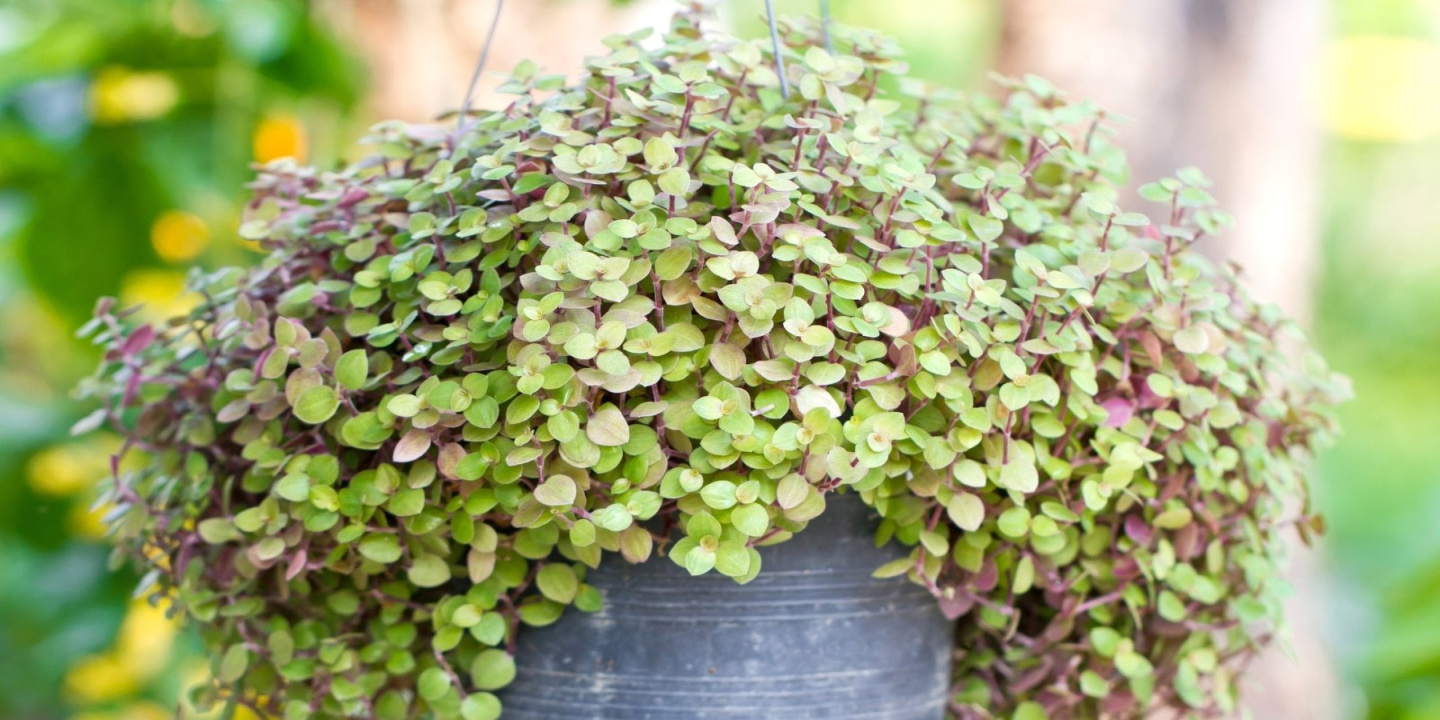
The Turtle Vine plant, also known as Callisia repens or Inch Plant, is a charming and unique addition to any indoor or outdoor garden. This trailing plant features small, ovate leaves that are a vibrant shade of green with a purple underside, giving it a distinctive and eye-catching appearance.
One of the most appealing aspects of the Turtle Vine plant is its ability to thrive in a variety of conditions, making it an excellent choice for both experienced and novice gardeners. Whether you have a sunny spot by a window or a shady corner in your home, this versatile plant will thrive and add a touch of beauty to any space.
In addition to its striking appearance, the Turtle Vine plant is also known for its low-maintenance nature. With the right care and attention, this plant can flourish and grow to be a stunning focal point in your garden or home. Here are some tips and tricks to help you care for and cultivate your Turtle Vine plant:
Light: The Turtle Vine plant thrives in bright, indirect light. Place your plant in a spot where it can receive plenty of natural sunlight, but be sure to protect it from harsh midday rays. If you notice the leaves starting to fade or lose their color, it may be a sign that the plant is not getting enough light.
Water: Like most houseplants, the Turtle Vine plant prefers to be kept consistently moist but not waterlogged. Water your plant when the top inch of soil feels dry to the touch, and be sure to allow any excess water to drain away to prevent root rot. In the winter months, you may need to adjust your watering schedule to account for the plant’s reduced growth.
Temperature: The Turtle Vine plant thrives in warm, humid environments. Ideally, keep your plant in a room where the temperature stays between 65-75 degrees Fahrenheit. Avoid placing your plant near drafts or vents, as sudden changes in temperature can stress the plant and cause it to drop its leaves.
Fertilizer: To encourage healthy growth and vibrant foliage, fertilize your Turtle Vine plant every 2-4 weeks during the growing season (spring and summer). Use a balanced liquid fertilizer diluted to half strength, and be sure to water your plant before and after fertilizing to prevent root burn.
Propagation: The Turtle Vine plant is easy to propagate, making it a great choice for gardeners looking to expand their collection. You can propagate your plant by taking stem cuttings and rooting them in water or moist soil. Once the cuttings have developed roots, you can transplant them into their own pots and watch them grow into new plants.
Pests: While the Turtle Vine plant is relatively pest-resistant, it is still susceptible to common houseplant pests such as mealybugs and spider mites. Keep an eye out for any signs of infestation, such as yellowing leaves or webbing, and treat the problem promptly using insecticidal soap or neem oil.
With its unique beauty and easy-care nature, the Turtle Vine plant is a delightful addition to any garden or indoor space. Whether you’re a seasoned gardener or just starting out, this charming plant is sure to bring joy and vibrancy to your home. So why not add a touch of whimsical beauty to your surroundings with a Turtle Vine plant today?
Nurturing Your Turtle Vine: Tips and Tricks
The Turtle Vine plant, also known as Callisia repens, is a charming and versatile plant that can thrive both indoors and outdoors. Its unique trailing stems and vibrant green leaves make it a popular choice for plant enthusiasts looking to add a touch of beauty to their homes or gardens. However, like any plant, the Turtle Vine requires proper care and attention to ensure it grows healthy and strong. In this guide, we will unravel the beauty of the Turtle Vine plant and provide you with some helpful tips and tricks for nurturing and cultivating this stunning plant.
First and foremost, one of the most important factors in caring for your Turtle Vine plant is ensuring it receives the right amount of sunlight. Turtle Vines thrive in bright, indirect light, so be sure to place your plant near a window where it can receive plenty of natural light. Avoid placing your Turtle Vine in direct sunlight, as this can cause its leaves to burn and become damaged.
In addition to proper sunlight, the Turtle Vine plant also requires regular watering to keep its soil moist but not waterlogged. Water your Turtle Vine when the top inch of soil feels dry to the touch, and be sure to drain any excess water from the saucer to prevent root rot. During the winter months, reduce the frequency of watering to allow the plant to enter a period of dormancy.
When it comes to fertilizing your Turtle Vine plant, a balanced liquid fertilizer can help promote healthy growth and vibrant foliage. Feed your Turtle Vine plant every two weeks during the growing season, but be sure to dilute the fertilizer to half strength to prevent overfeeding. Alternatively, you can use a slow-release fertilizer applied once every few months to provide your plant with the nutrients it needs to thrive.
As your Turtle Vine plant grows, you may notice that its trailing stems begin to extend and spread outwards. To encourage bushier growth and prevent legginess, consider pruning your plant regularly. Use sharp scissors or pruning shears to trim back any overgrown or untidy stems, making sure to cut just above a leaf node to promote new growth.
In addition to pruning, repotting your Turtle Vine plant every one to two years can help ensure its continued health and vitality. Choose a pot that is slightly larger than the current one, and use a well-draining potting mix to prevent waterlogged soil. Gently loosen the plant’s roots and transfer it to its new pot, then water thoroughly to help the roots establish themselves in their new environment.
While the Turtle Vine plant is relatively low-maintenance, it is still susceptible to pests such as spider mites, mealybugs, and aphids. To prevent infestations, regularly inspect your plant for signs of pests, such as webbing, sticky residue, or yellowing leaves. If you do notice any pests, treat your Turtle Vine with a gentle insecticidal soap or neem oil spray to eliminate the problem.
In conclusion, the Turtle Vine plant is a beautiful and versatile addition to any home or garden. By following these tips and tricks for nurturing and cultivating your Turtle Vine, you can ensure that your plant remains healthy and vibrant for years to come. With proper care and attention, your Turtle Vine will continue to thrive and bring beauty to your living space.