The Beauty and Fragrance of the Jasmine Tree Plant
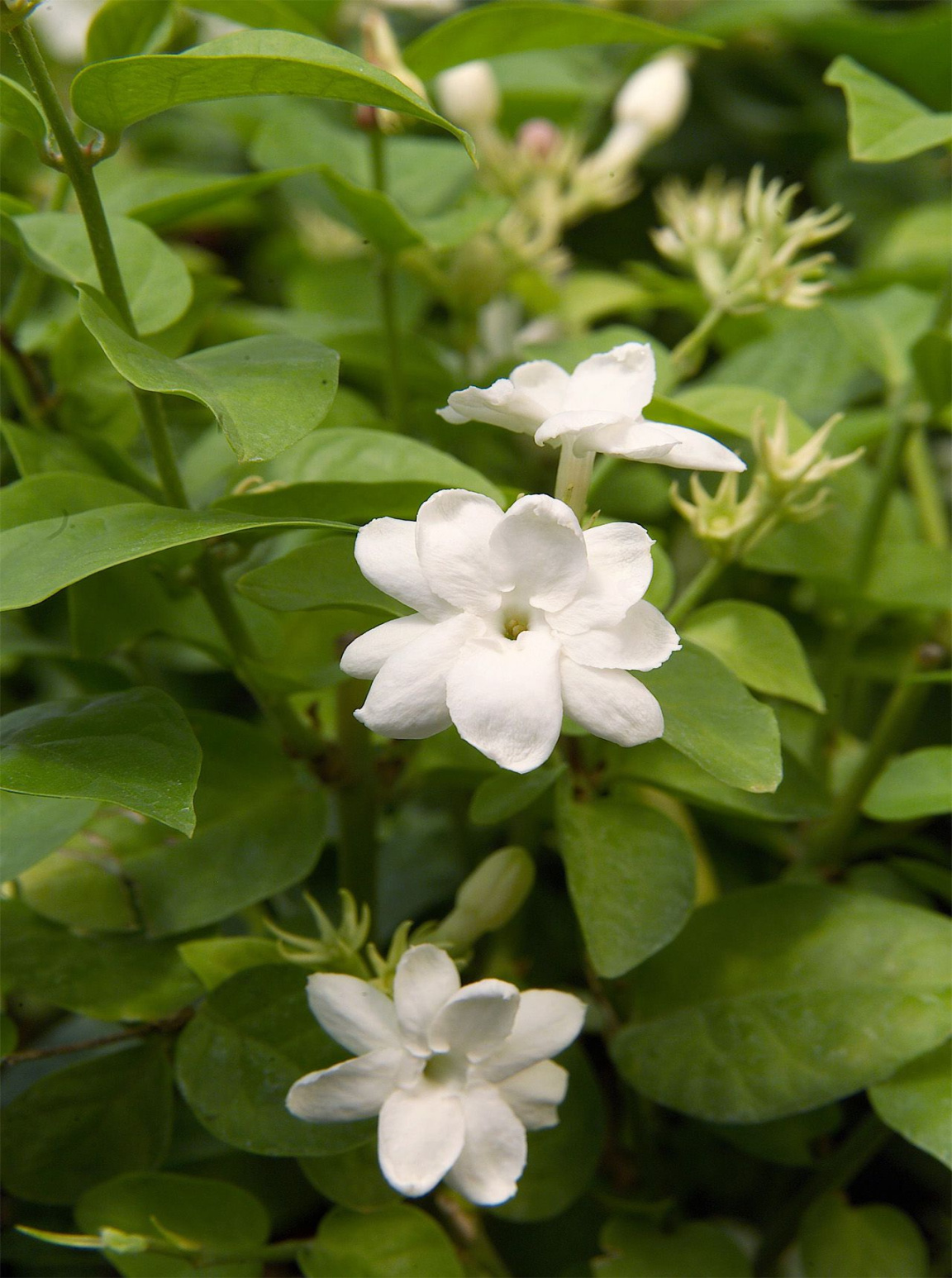
The Jasmine Tree, also known as Jasminum, is a true symphony of fragrance and beauty in the world of plants. With its delicate white flowers and intoxicating scent, the Jasmine Tree has captivated hearts and minds for centuries. This exquisite plant is not only a feast for the senses but also carries a rich history of symbolism and tradition.
The Jasmine Tree is native to tropical and subtropical regions, where it thrives in warm climates with plenty of sunlight. Its lush green foliage provides the perfect backdrop for the star of the show – the fragrant white flowers that bloom in clusters. These flowers exude a sweet, floral scent that is both calming and uplifting, making the Jasmine Tree a popular choice for gardens, courtyards, and indoor spaces.
In many cultures, the Jasmine Tree is revered for its beauty and fragrance, and is often associated with love, purity, and spirituality. In India, Jasmine flowers are traditionally used in religious ceremonies and weddings, symbolizing purity and new beginnings. In China, Jasmine is considered a symbol of grace and elegance, and is often incorporated into tea blends for its soothing aroma.
The Jasmine Tree is not only a treat for the senses but also has a variety of practical uses. Jasmine essential oil, extracted from the flowers, is prized in aromatherapy for its calming and mood-boosting properties. It is often used in perfumes, candles, and skincare products for its sweet and floral scent. Jasmine tea, made by infusing dried Jasmine flowers with green tea leaves, is a popular beverage in many parts of the world, known for its soothing aroma and potential health benefits.
Growing a Jasmine Tree in your own garden can bring a touch of luxury and romance to your outdoor space. With the right care and attention, the Jasmine Tree can thrive and bloom year after year, filling your garden with its enchanting fragrance. Plant your Jasmine Tree in a sunny spot with well-draining soil, and water regularly to keep the soil moist but not waterlogged. Prune your Jasmine Tree in the spring to encourage new growth and flowering, and feed it with a balanced fertilizer to keep it healthy and vibrant.
The Jasmine Tree is a versatile plant that can be grown in a variety of settings, from formal gardens to informal landscapes. Its cascading branches and fragrant flowers make it a perfect choice for trellises, arbors, and containers. In warm climates, the Jasmine Tree can even be grown as a small tree or shrub, adding a touch of elegance to any outdoor space.
Whether you are a seasoned gardener or a novice plant enthusiast, the Jasmine Tree is a delightful addition to any garden. Its beauty and fragrance will delight your senses and bring a touch of magic to your outdoor oasis. So why not add a touch of luxury and romance to your garden with the enchanting Jasmine Tree? Experience the beauty and fragrance of this exquisite plant for yourself and let its sweet scent transport you to a world of tranquility and serenity.
Unveiling the Magic of the Enchanting Jasmine Plant
The Jasmine plant, with its delicate white flowers and intoxicating fragrance, has captivated people for centuries. Known for its beauty and enchanting scent, the Jasmine plant is a favorite among gardeners and nature lovers alike. But there is more to this plant than meets the eye.
The Jasmine plant, scientifically known as Jasminum, is a genus of shrubs and vines in the olive family. Native to tropical and warm temperate regions of Eurasia, Australasia, and Oceania, the Jasmine plant has been cultivated for its beauty and fragrance for thousands of years.
One of the most fascinating aspects of the Jasmine plant is its scent. The flowers of the Jasmine plant release a sweet, floral fragrance that is both calming and uplifting. This scent is often used in perfumes, aromatherapy, and teas for its relaxing and mood-boosting properties. In many cultures, Jasmine is also associated with love, beauty, and spirituality.
In addition to its enchanting fragrance, the Jasmine plant also has a long history of medicinal uses. In traditional Chinese medicine, Jasmine flowers are used to treat various ailments, including headaches, insomnia, and anxiety. The essential oil extracted from Jasmine flowers is also used in aromatherapy to promote relaxation and reduce stress.
But the beauty of the Jasmine plant extends beyond its scent and medicinal properties. The delicate white flowers of the Jasmine plant are a sight to behold, with their graceful petals and elegant shape. Whether grown in a garden or used as a decorative plant indoors, the Jasmine plant adds a touch of beauty and elegance to any space.
The Jasmine plant is also a symbol of love and romance in many cultures. In India, Jasmine flowers are used in traditional wedding ceremonies to symbolize love, purity, and new beginnings. In Hawaii, Jasmine flowers are often used in leis as a symbol of friendship and hospitality.
Growing a Jasmine plant in your garden or home can bring a touch of beauty and fragrance to your surroundings. With the right care and attention, the Jasmine plant can thrive and bloom for years to come. Whether you are drawn to the Jasmine plant for its beauty, fragrance, or symbolic meaning, there is no denying the magic and enchantment of this captivating plant.
In conclusion, the Jasmine plant is a true marvel of nature, with its beauty, fragrance, and symbolism captivating people around the world. Whether you are a gardener, nature lover, or simply appreciate the finer things in life, the Jasmine plant is sure to bring joy and beauty to your surroundings. So why not bring a touch of magic and enchantment into your life with a Jasmine plant of your own?