Embrace the Arid Splendor: Red Yucca’s Vibrant Charm
In the harsh and unforgiving landscape of the desert, where the sun beats down relentlessly and the dry winds blow without mercy, there exists a plant that defies all odds and stands out like a beacon of hope and beauty. The Red Yucca, with its vibrant charm and striking appearance, is a testament to the resilience and adaptability of nature.
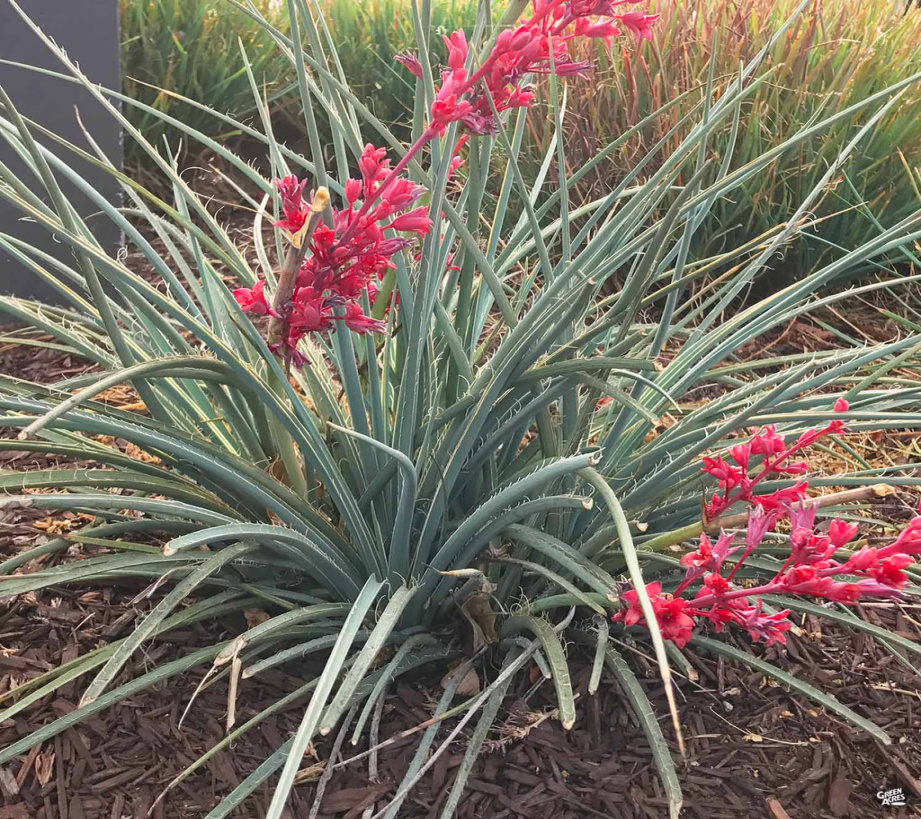
Despite its name, the Red Yucca is not actually a true yucca plant, but rather a member of the Agave family. It is native to the Chihuahuan desert of western Texas and northeastern Mexico, where it thrives in the arid and rocky terrain. The plant’s long, sword-shaped leaves are a deep green color, and in the summer months, they are topped with tall spikes of tubular flowers that range in color from coral pink to fiery red.
The sight of a mature Red Yucca plant in full bloom is a sight to behold, as its flowers attract a myriad of pollinators, including hummingbirds, butterflies, and bees. These pollinators play a crucial role in the plant’s reproductive cycle, ensuring that future generations of Red Yucca will continue to grace the desert landscape with their vibrant presence.
One of the most remarkable features of the Red Yucca is its ability to thrive in the harshest of conditions. Unlike many other desert plants, which require infrequent but heavy rainfall to survive, the Red Yucca is drought-tolerant and can withstand long periods of dry weather. Its deep roots allow it to tap into underground water sources, making it well-suited for life in the arid desert environment.
In addition to its adaptability to drought, the Red Yucca is also resistant to pests and diseases, making it a low-maintenance plant for gardeners looking to add a touch of desert beauty to their landscapes. Its hardy nature and striking appearance have made it a popular choice for xeriscaping, a landscaping technique that focuses on using drought-tolerant plants to conserve water and create sustainable gardens.
For those looking to attract wildlife to their gardens, the Red Yucca is a great choice. Its nectar-rich flowers are a favorite of hummingbirds, who are drawn to the bright colors and sweet scent of the blossoms. Butterflies and bees also flock to the flowers, making the Red Yucca a hub of activity and biodiversity in the desert ecosystem.
In addition to its ecological benefits, the Red Yucca also adds a pop of color and texture to the desert landscape. Whether planted in rows along a walkway or clustered together in a rock garden, the plant’s spiky leaves and towering flower spikes create a dramatic and visually appealing display. Its vibrant hues stand out against the muted tones of the desert, adding a touch of elegance and sophistication to any outdoor space.
In conclusion, the Red Yucca is a true gem of the desert, with its vibrant charm and striking beauty. Thriving in the harshest of conditions, this resilient plant is a testament to the power of nature to adapt and thrive in even the most inhospitable environments. Whether you are a desert dweller looking to add a touch of color to your landscape or a gardener seeking a low-maintenance plant with ecological benefits, the Red Yucca is sure to delight and inspire with its arid splendor.
Discover the Oasis: Thriving in the Desert with Red Yucca
In the midst of the harsh and unforgiving desert landscape, there lies a hidden oasis of beauty and resilience – the Red Yucca plant. This striking succulent is a testament to nature’s ability to thrive in even the most challenging of environments, showcasing its vibrant charm and unique adaptability.
The Red Yucca, also known as Hesperaloe parviflora, is a member of the Agave family and is native to the arid regions of Texas and Mexico. Despite its name, the Red Yucca is not actually a true yucca plant, but rather a distant cousin with its own distinct characteristics and qualities.
One of the most remarkable features of the Red Yucca is its stunning display of vibrant red flowers, which bloom in tall spikes above the plant’s sword-like foliage. These flowers are a beacon of color in the desert landscape, attracting pollinators such as hummingbirds and butterflies with their sweet nectar.
But the beauty of the Red Yucca goes beyond its striking blooms. This hardy plant is well-adapted to the harsh conditions of the desert, with its long, slender leaves able to withstand intense sunlight and drought. Its deep root system allows it to thrive in sandy, well-drained soil, making it a perfect choice for xeriscaping and water-wise landscaping.
In addition to its resilience, the Red Yucca is also a low-maintenance plant, requiring little care once established. It is drought-tolerant and pest-resistant, making it an ideal choice for gardeners looking to create a beautiful and sustainable landscape.
One of the best ways to showcase the beauty of the Red Yucca is by planting it in clusters or groupings, where its striking form and color can be appreciated en masse. Whether planted in a rock garden, xeriscape bed, or as a focal point in a container garden, the Red Yucca is sure to add a touch of desert elegance to any landscape.
For those looking to attract wildlife to their garden, the Red Yucca is a great choice. The plant’s bright flowers are a magnet for hummingbirds, which are drawn to the sweet nectar and vibrant color of the blooms. Butterflies also flock to the Red Yucca, adding an extra element of beauty and movement to the garden.
In addition to its ornamental value, the Red Yucca also has a number of practical uses. The fibers of the plant can be used to make rope, baskets, and other woven items, while the leaves can be harvested for medicinal purposes. The plant has a long history of use by indigenous peoples for a variety of ailments, including skin irritations and digestive issues.
Overall, the Red Yucca is a true gem of the desert, showcasing the beauty and resilience of nature in the face of adversity. Whether used for its ornamental value, wildlife attraction, or practical uses, this versatile plant is a valuable addition to any garden or landscape, bringing a touch of desert magic to any setting.