Unveiling the Enchanting World of Aglaonema Plants
Aglaonema plants, also known as Chinese evergreens, are a stunning addition to any indoor space. With their vibrant foliage and low-maintenance care requirements, these plants are perfect for both beginner and experienced plant enthusiasts. In this guide, we will explore the beauty of Aglaonema plants and provide tips on how to grow and care for them to ensure they thrive in your home.
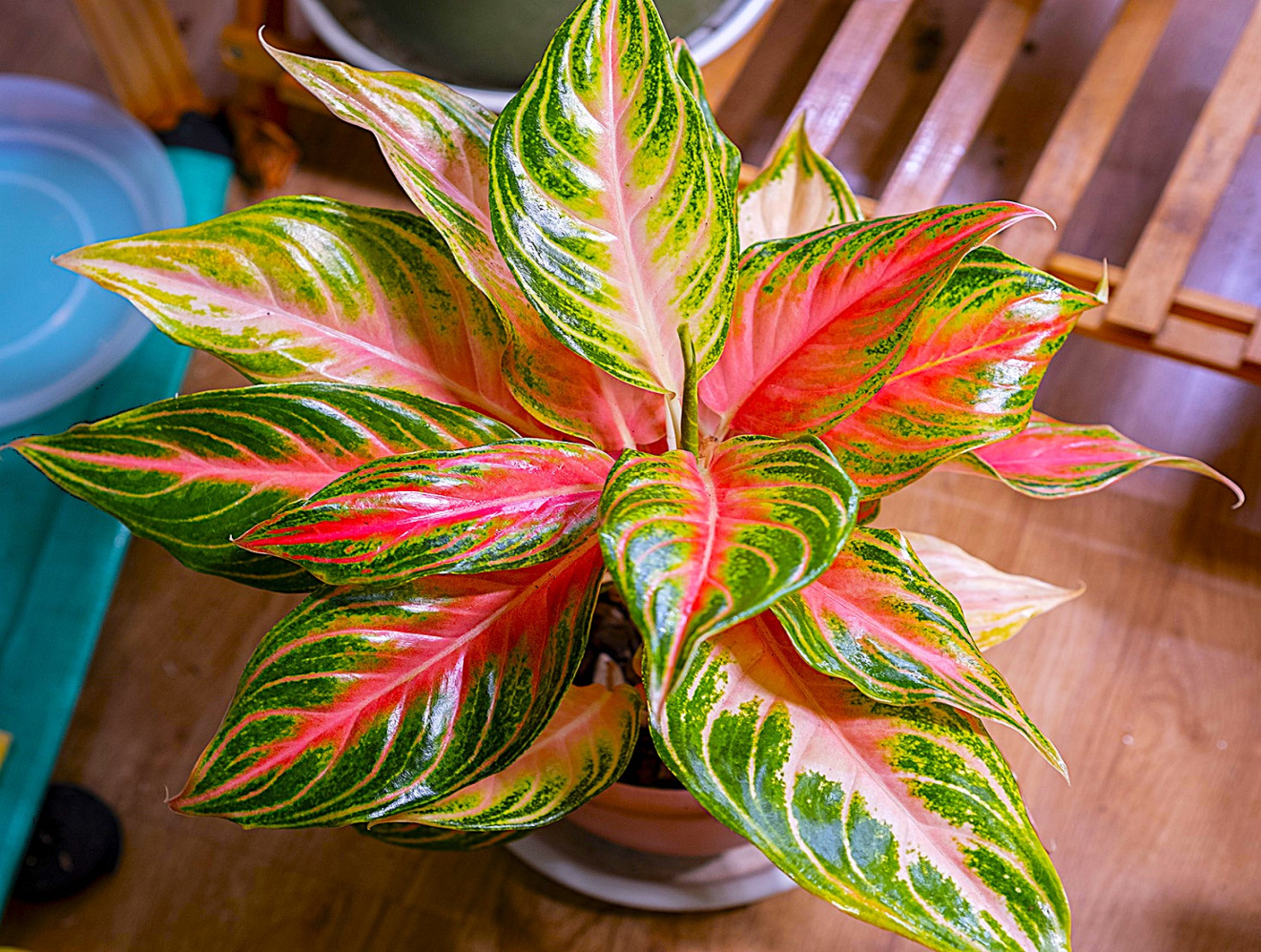
Aglaonema plants come in a variety of colors and patterns, making them a popular choice for adding a pop of color to any room. From deep greens to vibrant pinks and silvers, there is a wide range of options to choose from when selecting an Aglaonema plant for your space. The unique patterns on their leaves, such as stripes, speckles, and variegation, make each plant a work of art in its own right.
One of the reasons Aglaonema plants are so beloved is their ability to thrive in low light conditions. This makes them perfect for offices, bedrooms, and other spaces that may not receive a lot of natural sunlight. However, they will also do well in brighter light, as long as they are not exposed to direct sunlight, which can scorch their leaves.
When it comes to caring for Aglaonema plants, there are a few key tips to keep in mind. First, make sure to water your plant regularly, allowing the soil to dry out slightly between waterings. Overwatering can lead to root rot, so it is important to strike a balance to keep your plant healthy.
Additionally, Aglaonema plants thrive in humid environments, so consider misting their leaves regularly or placing them near a humidifier to keep them happy. You can also group your Aglaonema plants together to create a more humid microclimate for them to thrive in.
Fertilizing your Aglaonema plant is also important for its overall health and growth. Use a balanced, water-soluble fertilizer once a month during the growing season to provide essential nutrients to your plant. Be sure to follow the instructions on the fertilizer packaging to avoid overfeeding your plant.
Another important aspect of caring for Aglaonema plants is ensuring proper drainage in their pots. These plants do not like to sit in waterlogged soil, so be sure to choose a well-draining potting mix and a container with drainage holes to prevent water buildup. This will help prevent root rot and keep your plant happy and healthy.
In terms of repotting, Aglaonema plants generally only need to be repotted every two to three years, or when their roots have outgrown their current container. When repotting, choose a slightly larger pot to allow room for growth, and refresh the potting mix to provide your plant with fresh nutrients.
Lastly, keep an eye out for pests such as spider mites, mealybugs, and aphids, which can occasionally plague Aglaonema plants. If you notice any signs of infestation, treat your plant with a gentle insecticidal soap or neem oil to eliminate the pests and keep your plant healthy.
In conclusion, Aglaonema plants are a beautiful and versatile addition to any indoor space. With their vibrant foliage, low-maintenance care requirements, and ability to thrive in low light conditions, these plants are perfect for beginners and experienced plant enthusiasts alike. By following the tips outlined in this guide, you can ensure that your Aglaonema plant thrives and brings beauty to your home for years to come.
Delightful Tips for Growing and Nurturing Aglaonema
Aglaonema plants, also known as Chinese Evergreens, are beautiful and vibrant houseplants that can brighten up any indoor space. With their striking foliage and low maintenance needs, they have become a popular choice for plant enthusiasts looking to add a touch of greenery to their homes. If you’re new to growing and caring for Aglaonema plants, here are some delightful tips to help you get started on the journey to cultivating these stunning houseplants.
1. Light Requirements:
Aglaonema plants thrive in bright, indirect light. Avoid placing them in direct sunlight, as this can cause their leaves to scorch and fade. Place your Aglaonema plant near a window where it can receive ample sunlight without being exposed to harsh rays. If you notice that the leaves are starting to lose their color or become pale, it may be a sign that the plant is not getting enough light.
2. Watering:
When it comes to watering Aglaonema plants, it’s important to strike a balance. These plants prefer to be kept slightly moist but not waterlogged. Allow the top inch of soil to dry out before watering, and make sure to drain any excess water from the saucer to prevent root rot. During the winter months, when the plant is not actively growing, reduce the frequency of watering to prevent overwatering.
3. Humidity:
Aglaonema plants thrive in humid environments, so it’s important to provide them with adequate moisture. You can increase humidity by placing a humidifier near the plant, grouping plants together, or placing a tray of water and pebbles near the plant to create a humid microclimate. Misting the leaves with water can also help to keep them moist and healthy.
4. Temperature:
Aglaonema plants prefer warm temperatures between 65-80°F (18-27°C). Avoid exposing them to cold drafts or sudden temperature fluctuations, as this can stress the plant and lead to leaf drop. If you live in a colder climate, make sure to keep your Aglaonema plant away from windows or doors during the winter months to protect it from chilly drafts.
5. Fertilizing:
During the growing season, which typically runs from spring to fall, you can fertilize your Aglaonema plant once a month with a balanced houseplant fertilizer. Make sure to dilute the fertilizer to half the recommended strength to prevent burning the roots. Withhold fertilizer during the winter months when the plant is not actively growing.
6. Repotting:
Aglaonema plants prefer to be slightly root-bound, so they do not need to be repotted frequently. However, if you notice that the roots are starting to outgrow the pot or the plant is becoming too top-heavy, it may be time to repot. Choose a slightly larger pot with good drainage holes and fresh, well-draining potting mix to provide the plant with room to grow.
7. Pest Control:
Aglaonema plants are relatively pest-resistant, but they can occasionally be susceptible to common houseplant pests such as spider mites and mealybugs. Keep an eye out for any signs of pests, such as webbing or sticky residue on the leaves, and treat the plant promptly with neem oil or insecticidal soap to prevent infestations from spreading.
By following these delightful tips for growing and nurturing Aglaonema plants, you can enjoy the beauty and vibrancy of these stunning houseplants in your home. With their striking foliage and easy care requirements, Aglaonema plants are sure to become a cherished addition to your indoor garden.