Unleashing the Sweet Scent of Freesia Flowers
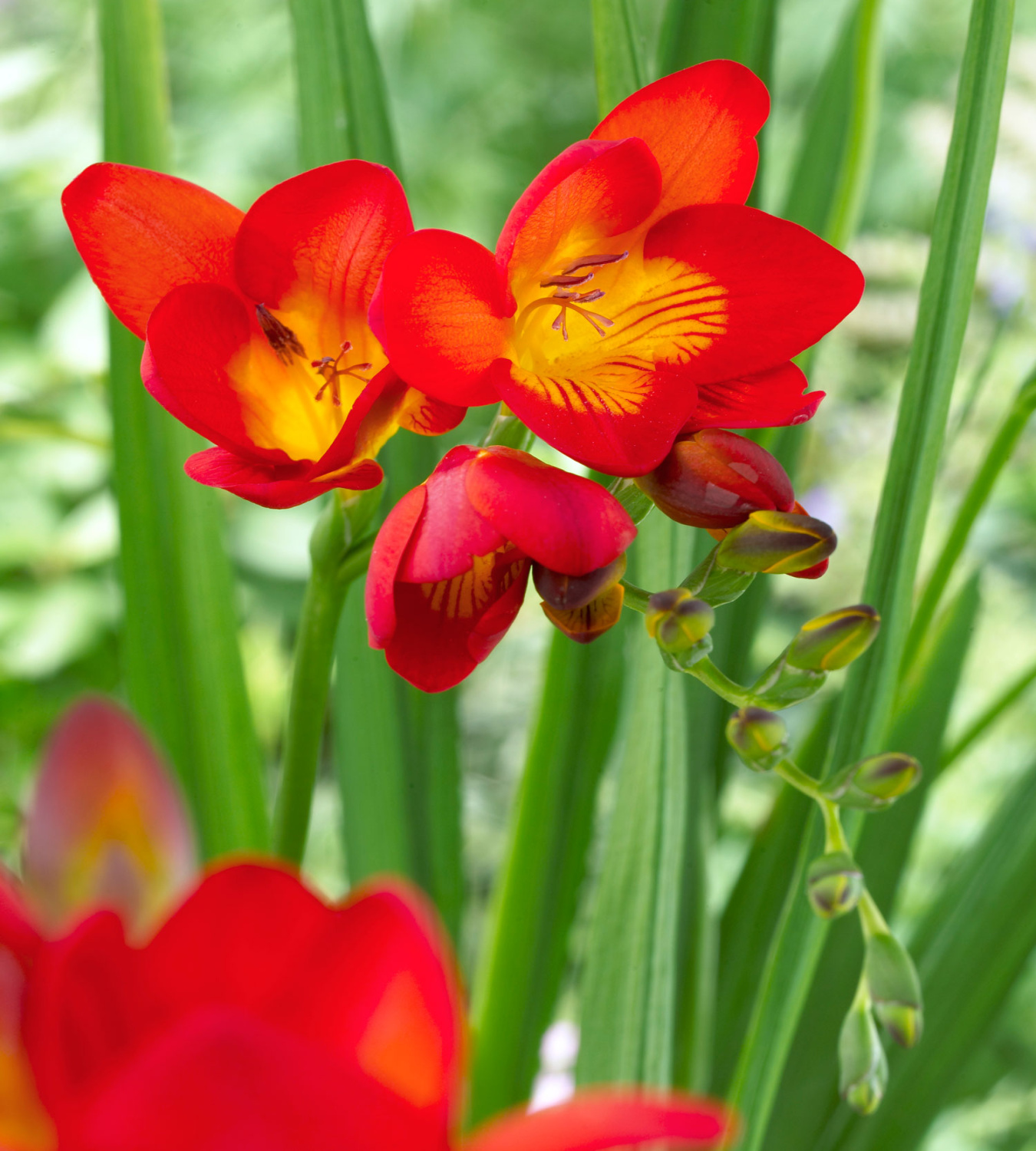
Freesia flowers are known for their sweet, delicate scent that can instantly uplift any space. These beautiful blooms come in a variety of colors, including white, yellow, pink, and purple, making them a popular choice for gardeners looking to add a touch of elegance to their outdoor spaces. In this guide, we will explore the fragrant beauty of freesia flowers and provide tips on how to grow and care for these delicate blooms.
Freesia flowers are native to South Africa and belong to the Iridaceae family. They are named after the German botanist Friedrich Freese, who first discovered them in the 19th century. Freesias are perennial plants that grow from bulbs, and they typically bloom in the spring and summer months. One of the most striking features of freesia flowers is their trumpet-shaped blossoms, which are made up of several small, fragrant flowers clustered together on a single stem.
To grow freesia flowers successfully, it is important to plant them in well-draining soil with plenty of sunlight. Freesias prefer soil that is slightly acidic and rich in organic matter, so adding compost or peat moss to the planting area can help promote healthy growth. When planting freesia bulbs, make sure to space them at least 3 inches apart to allow room for the plants to spread out as they grow.
Watering is crucial for the health of freesia flowers, as they require regular moisture to thrive. However, it is important not to overwater freesias, as this can lead to root rot and other issues. A good rule of thumb is to water freesia plants when the top inch of soil feels dry to the touch, making sure to water deeply to encourage strong root growth.
Freesias also benefit from regular feeding during the growing season to promote healthy blooms. A balanced fertilizer can be applied every 4-6 weeks, following the manufacturer’s instructions for dilution and application. Additionally, deadheading spent blooms can help encourage the plant to produce more flowers and prolong the blooming period.
In terms of pest and disease control, freesia flowers are relatively low-maintenance. However, they can be susceptible to thrips, aphids, and spider mites, so it is important to keep an eye out for signs of infestation and treat accordingly. Insecticidal soap or neem oil can be effective in controlling these pests without harming the plant or the environment.
One of the most rewarding aspects of growing freesia flowers is the opportunity to enjoy their sweet, intoxicating scent. Freesias are often used in perfumes and essential oils for their fragrant blooms, which are said to have a calming and uplifting effect on the senses. Placing a vase of freshly cut freesia flowers in your home can fill the space with their delightful aroma, creating a sense of tranquility and beauty.
Overall, freesia flowers are a wonderful addition to any garden, with their fragrant blooms and vibrant colors adding a touch of elegance and charm to outdoor spaces. By following these tips and tricks for growing and caring for freesias, you can unleash the sweet scent of these delicate flowers and enjoy their beauty year after year.
Tips and Tricks for Thriving Freesia Gardens
When it comes to creating a beautiful garden filled with fragrant blooms, few flowers can rival the delicate beauty of freesias. These stunning flowers not only add a pop of color to your outdoor space, but their sweet scent can turn any garden into a sensory oasis. If you’re looking to cultivate a thriving freesia garden, here are some tips and tricks to help you achieve success.
1. Choose the Right Location: Freesias thrive in full sun or partial shade, so be sure to plant them in an area of your garden that receives plenty of sunlight. Additionally, make sure the soil is well-draining to prevent waterlogged roots, as freesias do not like to sit in moist soil.
2. Plant at the Right Time: Freesias should be planted in the fall for spring blooms. This allows the bulbs to establish themselves before the growing season begins. Plant the bulbs about 2-3 inches deep and 4-6 inches apart to give them room to grow.
3. Provide Adequate Water: While freesias prefer well-draining soil, they still need to be watered regularly, especially during the growing season. Water them deeply once a week, making sure the soil is moist but not waterlogged. In hotter climates, you may need to water more frequently to prevent the bulbs from drying out.
4. Feed Regularly: Freesias are heavy feeders and will benefit from regular fertilization. Use a balanced fertilizer once a month during the growing season to promote healthy growth and prolific blooms. Be sure to follow the instructions on the fertilizer package to avoid overfeeding.
5. Deadhead Spent Blooms: To encourage continuous blooming, be sure to deadhead spent flowers regularly. This not only keeps your garden looking tidy but also redirects the plant’s energy into producing new blooms. Simply snip off the faded flowers at the base of the stem to promote new growth.
6. Support Tall Stems: Some freesia varieties can grow quite tall and may need support to prevent them from toppling over. Use stakes or a trellis to support the stems and keep them upright. This will not only protect the plant from damage but also showcase the blooms in all their glory.
7. Protect from Pests and Diseases: Freesias are generally hardy plants, but they can be susceptible to pests such as aphids, thrips, and spider mites. Keep an eye out for any signs of infestation and treat them promptly with insecticidal soap or neem oil. Additionally, be on the lookout for common diseases such as botrytis and rust, and treat them accordingly to prevent spread.
8. Mulch for Insulation: In colder climates, consider mulching around your freesias to provide insulation and protect the bulbs from freezing temperatures. A layer of organic mulch such as straw or wood chips can help regulate soil temperature and retain moisture, ensuring your freesias survive the winter months.
9. Divide and Replant: Over time, freesia bulbs can become overcrowded, leading to reduced blooming and overall health. To prevent this, dig up the bulbs every few years, divide them into smaller clumps, and replant them in fresh soil. This will rejuvenate the plants and promote vigorous growth.
10. Enjoy the Fragrant Beauty: Once your freesia garden is in full bloom, take the time to savor the fragrant beauty of these delicate flowers. Cut a few stems to bring indoors and enjoy their sweet scent in bouquets or floral arrangements. And don’t forget to share the beauty of your garden with friends and family – after all, the joy of gardening is meant to be shared!
By following these tips and tricks for thriving freesia gardens, you can create a stunning outdoor space filled with the fragrant beauty of these delicate blooms. With proper care and attention, your freesias will reward you with a profusion of colorful flowers that will brighten your garden and lift your spirits. Happy gardening!