Blooming Against All Odds: The Aparajita Flower Plant
In the vast and diverse world of flora, there exists a plant that embodies resilience and beauty in equal measure – the Aparajita flower plant. Despite facing numerous challenges and adversities, this remarkable plant continues to bloom with unmatched elegance, captivating all who behold its exquisite blossoms.
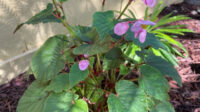
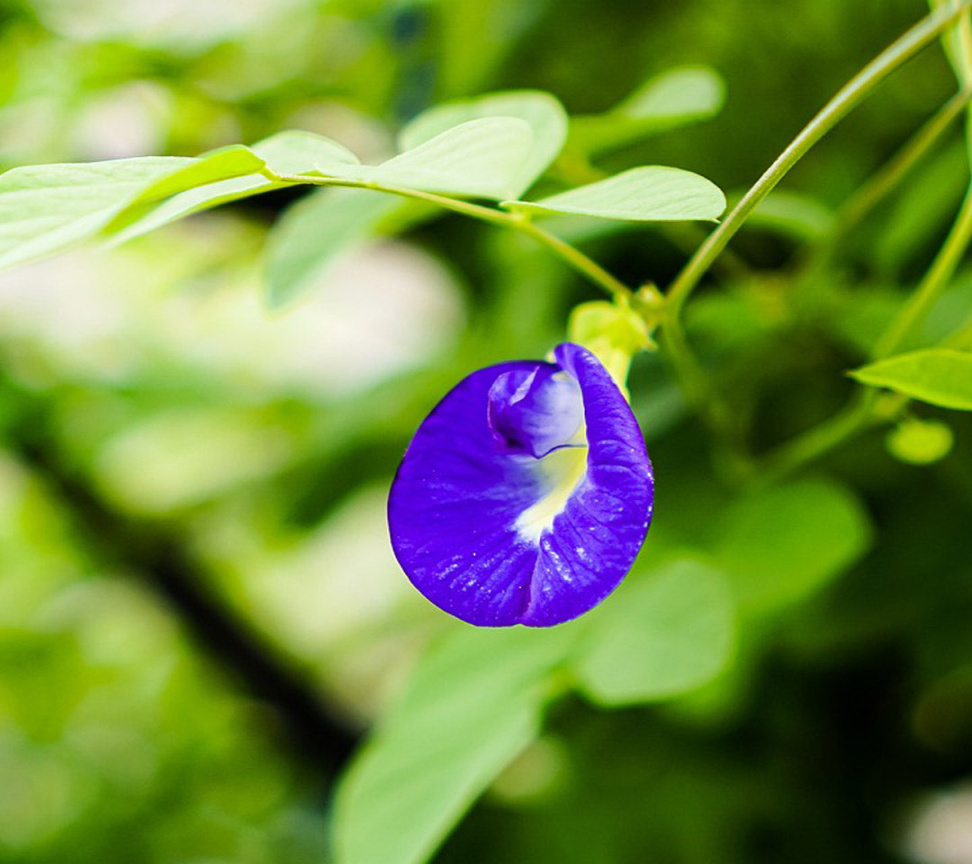
The Aparajita flower plant, also known as Clitoria Ternatea or the Asian pigeonwings, is a species of flowering plant that belongs to the pea family. Native to tropical and subtropical regions of Asia, this plant is revered for its stunning blue flowers that seem to defy the odds by blooming in the most unforgiving conditions.
One of the most remarkable qualities of the Aparajita flower plant is its ability to thrive in diverse environments, from dry and arid climates to wet and humid conditions. This adaptability allows the plant to survive and flourish even in the face of adversity, showcasing its resilience and tenacity in the face of challenges.
Despite its delicate appearance, the Aparajita flower plant is surprisingly hardy and robust, with a strong root system that anchors it firmly in the ground. This resilience enables the plant to withstand harsh weather conditions, pests, and diseases, ensuring that it continues to bloom and thrive year after year.
The beauty of the Aparajita flower plant lies not only in its striking blue blossoms but also in the symbolism attached to it. In many cultures, the plant is seen as a symbol of strength, perseverance, and overcoming obstacles. Its ability to bloom against all odds serves as a powerful reminder of the resilience and beauty that can emerge from even the most challenging circumstances.
One of the most fascinating aspects of the Aparajita flower plant is its unique blooming pattern. The flowers of this plant open in the morning and close by the afternoon, a process known as nyctinasty. This daily ritual of blooming and closing symbolizes the fleeting nature of beauty and the importance of seizing the moment before it passes.
The Aparajita flower plant also holds great significance in traditional medicine and Ayurveda, where it is used to treat a variety of ailments and promote overall health and well-being. The plant is believed to possess potent antioxidant and anti-inflammatory properties, making it a valuable ingredient in herbal remedies and supplements.
In addition to its medicinal properties, the Aparajita flower plant is also valued for its ornamental beauty and aesthetic appeal. Its vibrant blue flowers are often used in floral arrangements and decorations, adding a touch of elegance and sophistication to any setting.
Despite its many virtues, the Aparajita flower plant is not without its challenges. Like all living organisms, it is susceptible to disease, pests, and environmental changes that can threaten its survival. However, through its unwavering resilience and determination, the plant continues to bloom and thrive, a testament to the power of nature’s resilience in the face of adversity.
In conclusion, the Aparajita flower plant is a true marvel of nature, showcasing the beauty and resilience that can emerge from even the harshest conditions. Its ability to bloom against all odds serves as a powerful reminder of the strength and perseverance that lies within us all, inspiring us to face life’s challenges with grace and dignity.
From Adversity to Elegance: The Unstoppable Aparajita Bloom
In the vast world of flora, there exists a plant that embodies resilience and beauty in equal measure – the Aparajita flower plant. Despite facing adversity, this stunning bloom manages to rise above it all, showcasing its elegance and strength in the face of challenges.
The Aparajita flower, also known as Clitoria ternatea or butterfly pea, is a striking plant that hails from the Indian subcontinent. It is revered for its vibrant blue petals that seem to shimmer in the sunlight, attracting bees and butterflies with its alluring hue. The plant itself is a climber, wrapping its tendrils around anything in its path as it reaches for the sky.
What makes the Aparajita flower truly remarkable is its ability to thrive in less-than-ideal conditions. This plant is known for its resilience, often blooming in the harshest of environments where other flowers would struggle to survive. Whether it’s extreme temperatures, poor soil quality, or lack of water, the Aparajita flower plant stands tall, a beacon of hope and beauty in the midst of adversity.
The journey of the Aparajita bloom from seed to flower is nothing short of a miracle. Despite facing countless obstacles along the way, this plant perseveres, pushing through the darkness to emerge into the light. Its delicate petals unfurling to reveal a breathtaking display of color, a testament to the power of resilience and determination.
As the Aparajita flower plant blooms, it serves as a reminder that beauty can be found in the most unexpected of places. Its elegant form and vibrant hue are a stark contrast to the challenges it has overcome, a symbol of hope and perseverance in a world that can often seem bleak.
The Aparajita flower plant also holds a special significance in various cultures and traditions. In Ayurvedic medicine, the plant is believed to have numerous health benefits, from improving memory and brain function to reducing stress and anxiety. The flower itself is used in culinary dishes and teas, adding a pop of color and a touch of elegance to any meal.
In Hindu mythology, the Aparajita flower is associated with the goddess Saraswati, the deity of knowledge, music, and the arts. It is said that the flower’s blue petals symbolize the vastness of the sky and the infinite possibilities of the mind, inspiring creativity and wisdom in those who come into contact with it.
The Aparajita bloom’s journey from adversity to elegance is a testament to the power of resilience and the beauty that can be found in even the most challenging of circumstances. It serves as a reminder to never give up, to always reach for the sky, and to find strength and grace in the face of adversity.