Unveiling the Controversy: Cornus Controversa Plant
When it comes to the world of plants, there are few that spark as much debate and controversy as the Cornus Controversa plant. This unique species, also known as the Wedding Cake Tree, has been the subject of much discussion among botanists, gardeners, and nature enthusiasts alike. From its striking appearance to its unusual growth patterns, the Cornus Controversa plant has captured the imagination of many.
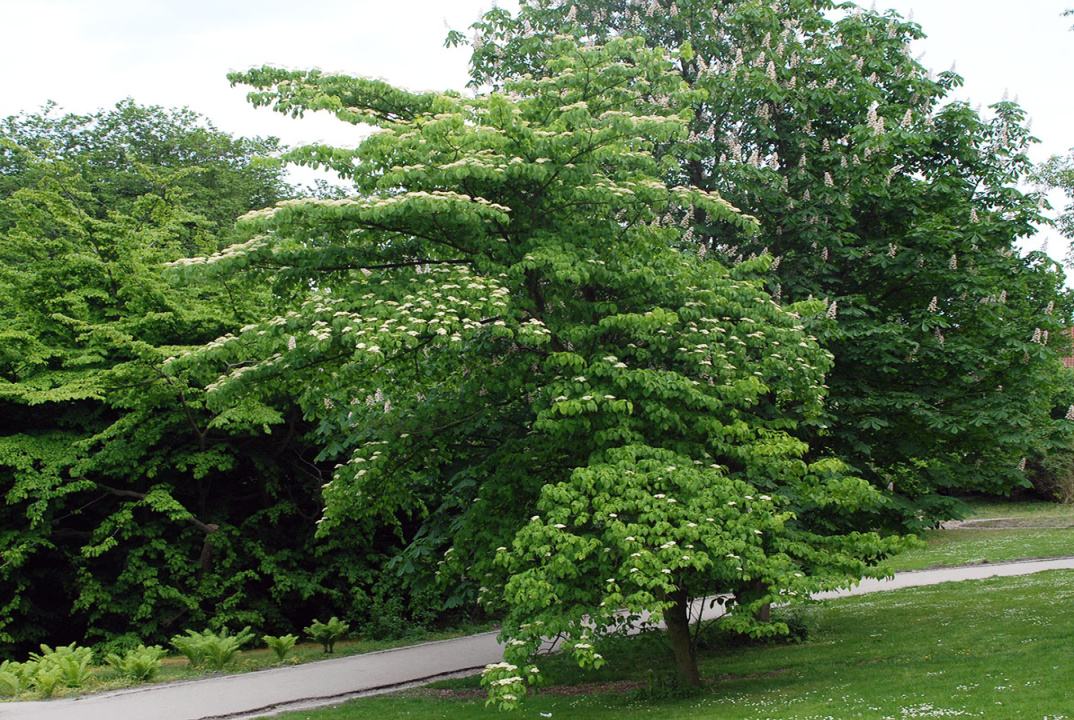
One of the most fascinating aspects of the Cornus Controversa plant is its appearance. With its distinct layered branches resembling a tiered wedding cake, it is no wonder how it got its nickname. The leaves of this plant are a vibrant green, providing a beautiful contrast to its white flowers that bloom in the spring. Its unique look makes it a popular choice for ornamental gardens and landscapes.
But beyond its stunning appearance, the Cornus Controversa plant has also garnered attention for its unusual growth patterns. Unlike most trees that grow in a straight and upward fashion, this plant has a distinctive horizontal branching habit. This growth pattern has led to debates among experts about the best way to care for and prune the plant. Some argue that it should be left to grow naturally, while others believe it is best to shape and prune it to maintain its unique form.
The controversy surrounding the Cornus Controversa plant extends beyond just its appearance and growth patterns. There are also debates about its origins and classification. Some experts believe that it is a distinct species in its own right, while others argue that it is simply a variation of the Cornus alternifolia plant. The debate over its classification has led to confusion among gardeners and plant enthusiasts who may be unsure of how to properly care for and cultivate the plant.
Despite the controversies surrounding the Cornus Controversa plant, one thing is for certain – it is a truly unique and captivating species. Its striking appearance and unusual growth habits make it a standout in any garden or landscape. Whether you choose to let it grow wild or shape it to your liking, the Wedding Cake Tree is sure to be a conversation starter and a focal point in any outdoor space.
In conclusion, the Cornus Controversa plant may be shrouded in debate and controversy, but there is no denying its beauty and allure. From its tiered branches to its horizontal growth patterns, this plant is a true marvel of nature. Whether you are a seasoned gardener or just someone who appreciates the beauty of the natural world, the Cornus Controversa plant is sure to capture your attention and spark your curiosity.
The Fascinating Debate Surrounding the Cornus Controversa Plant
The Cornus Controversa plant, also known as the Wedding Cake tree, is a stunning ornamental tree that has sparked debate and fascination among gardeners and botanists alike. With its unique tiered branches and delicate white flowers, it is easy to see why this tree has captured the imagination of so many.
One of the most hotly debated topics surrounding the Cornus Controversa plant is its classification within the botanical world. While some experts classify it as a species of dogwood, others argue that it belongs in the Cornaceae family. This debate has led to much discussion and disagreement within the scientific community, with both sides presenting compelling arguments to support their claims.
Those who believe that the Cornus Controversa plant is a species of dogwood point to its similar characteristics, such as its characteristic white flowers and red berries. They argue that these similarities are strong evidence of its classification within the dogwood family. On the other hand, proponents of the Cornaceae family classification point to the plant’s unique branching pattern and overall appearance as evidence of its distinctiveness.
Despite the ongoing debate over its classification, one thing is for certain: the Cornus Controversa plant is a truly unique and beautiful addition to any garden. Its tiered branches create a striking visual effect, especially when in full bloom with its delicate white flowers. The tree’s leaves also change color throughout the seasons, adding to its appeal and making it a standout feature in any landscape.
In addition to its visual appeal, the Cornus Controversa plant also plays an important role in the ecosystem. Its flowers attract bees and other pollinators, helping to support local wildlife populations. The tree’s berries are also a valuable food source for birds, further enhancing its ecological significance.
Another interesting aspect of the Cornus Controversa plant is its cultural significance. In some cultures, the tree is believed to bring good luck and prosperity to those who plant it in their gardens. It is also commonly used in wedding ceremonies, with its tiered branches symbolizing the layers of a marriage and the journey that couples embark on together.
Despite its popularity and beauty, the Cornus Controversa plant does require some care and maintenance to thrive. It prefers well-drained soil and ample sunlight, although it can also tolerate partial shade. Regular pruning is also recommended to maintain its shape and structure, as well as to encourage new growth.
Overall, the Cornus Controversa plant is a truly fascinating and unique tree that continues to spark debate and discussion within the botanical community. Its striking appearance, ecological significance, and cultural symbolism all contribute to its enduring popularity among gardeners and nature enthusiasts. Whether you classify it as a species of dogwood or as a member of the Cornaceae family, there is no denying the beauty and allure of the Cornus Controversa plant.