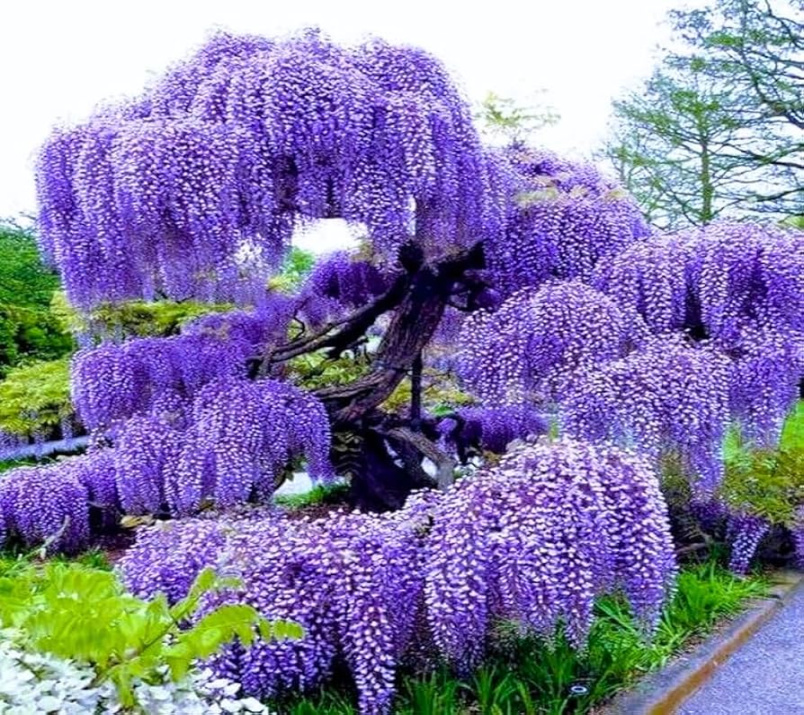
Welcoming Spring with Wisteria Wonders
As winter fades away and the days grow longer, nature begins to awaken from its slumber. One of the most breathtaking signs that spring has arrived is the blooming of wisteria flowers. These delicate and whimsical blooms bring a sense of magic and enchantment to gardens, parks, and arboretums all around the world.
Wisteria is a genus of flowering plants that belong to the pea family, Fabaceae. There are several species of wisteria, but the most commonly seen varieties are Chinese wisteria (Wisteria sinensis) and Japanese wisteria (Wisteria floribunda). Both of these species produce cascading clusters of fragrant flowers in shades of purple, blue, pink, and white.
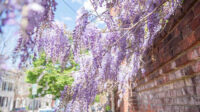
The beauty of wisteria lies not only in its stunning flowers but also in its graceful vines that can climb and twist their way up arbors, trellises, and walls. When in full bloom, these vines are covered in a blanket of colorful blossoms that create a serene and romantic atmosphere. Walking under a wisteria-covered pergola or sitting beneath a wisteria-draped tree is like stepping into a fairytale world.
Wisteria flowers are not only visually appealing but also have a delightful fragrance that fills the air with a sweet, floral scent. The scent of wisteria is often described as intoxicating and romantic, making it a favorite flower for weddings and other special occasions.
In many cultures, wisteria is a symbol of love, beauty, and immortality. In Japanese culture, wisteria is associated with long life and good luck, and the famous wisteria tunnels in Japan are a popular destination for tourists during the spring blooming season. In China, wisteria is a symbol of poetry and the beauty of nature, and is often featured in traditional art and literature.
One of the best ways to experience the beauty of wisteria is to visit a botanical garden or arboretum during the spring blooming season. Many public gardens have dedicated wisteria collections that showcase a variety of wisteria species and cultivars in full bloom. Walking through a wisteria garden is a sensory delight, with the sight and scent of the flowers creating a magical and peaceful atmosphere.
For those lucky enough to have their own wisteria plant in their garden, caring for these beautiful vines is relatively simple. Wisteria plants prefer a sunny location with well-drained soil, and regular pruning is necessary to control the growth of the vines and encourage more blooms. With proper care, a wisteria plant can live for decades and continue to bloom year after year, bringing joy and beauty to the garden.
Whether you are admiring wisteria in a public garden or enjoying the blooms in your own backyard, there is no denying the enchanting beauty of these spring wonders. The sight of wisteria in full bloom is a reminder that spring is a time of renewal and growth, and a celebration of the beauty and magic of the natural world. So take a moment to stop and smell the wisteria flowers, and let their beauty fill your heart with joy and wonder.
Unveiling the Enchanting Beauty of Wisteria Blooms
As the winter frost melts away and the days grow longer, nature awakens from its slumber and bursts forth in a riot of color and fragrance. One of the most enchanting sights of spring is the blooming of wisteria, a cascading vine that produces clusters of delicate, fragrant flowers in shades of purple, pink, white, and blue. These beautiful blooms herald the arrival of warmer weather and bring joy to all who behold them.
Wisteria is a genus of flowering plants that belong to the pea family, Fabaceae. There are several species of wisteria, but the most commonly cultivated varieties are Wisteria sinensis and Wisteria floribunda. These vines are known for their vigorous growth and spectacular floral displays, making them popular choices for arbors, pergolas, and trellises in gardens and parks.
The beauty of wisteria blooms lies in their elegant form and vibrant colors. The flowers are pea-shaped and hang in long, dangling clusters called racemes. Each raceme can contain dozens of individual blooms, creating a stunning visual effect as they drape gracefully from the vine. The most common colors of wisteria flowers are shades of purple and lavender, but there are also varieties that produce pink, white, and blue blooms.
One of the most striking features of wisteria blooms is their sweet, intoxicating fragrance. The scent of wisteria is often compared to that of grape juice or honey, with a hint of vanilla and jasmine. The perfume of wisteria flowers can fill a garden or a room with its heady aroma, creating a sensory experience that is truly unforgettable.
Wisteria blooms are not only visually stunning and fragrant, but they also have symbolic meanings in various cultures. In traditional Japanese art and literature, wisteria is a symbol of love, longevity, and good fortune. The plant is often depicted in paintings, poems, and stories as a motif of beauty and elegance. In Chinese culture, wisteria is associated with immortality and the pursuit of knowledge, while in Western traditions, it is a symbol of romance and femininity.
To fully appreciate the enchanting beauty of wisteria blooms, it is important to understand the care and cultivation of these plants. Wisteria vines prefer full sun and well-drained soil, and they require regular pruning to control their growth and encourage flowering. The best time to prune wisteria is in late winter or early spring, before the new growth emerges. By following these simple guidelines, gardeners can ensure that their wisteria vines will produce a profusion of blooms year after year.
In conclusion, wisteria blooms are a breathtaking sight to behold in the springtime, with their cascading clusters of colorful flowers and intoxicating fragrance. These enchanting blooms symbolize love, longevity, and beauty in various cultures, making them a beloved and cherished plant around the world. By cultivating wisteria vines in gardens and parks, we can celebrate the arrival of spring and revel in the natural beauty that surrounds us.