Discover the Beauty of Lupinus Polyphyllus!
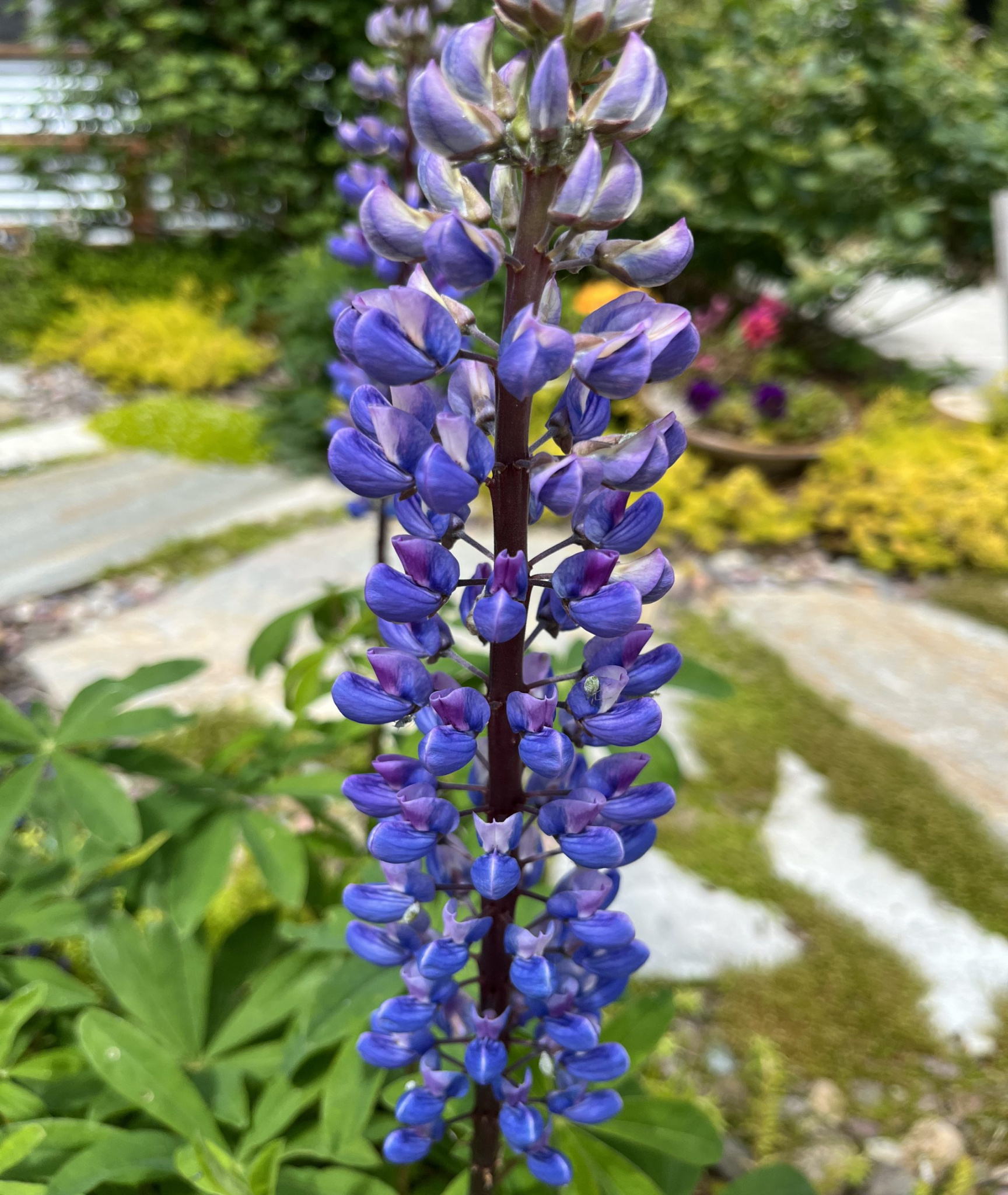
As spring arrives and nature begins to awaken from its winter slumber, one plant that stands out for its vibrant colors and striking beauty is the Lupinus Polyphyllus, also known as the Garden Lupin. This stunning perennial plant is a favorite among gardeners for its tall spikes of colorful flowers that bring a burst of life and energy to any garden or landscape.
The Lupinus Polyphyllus is native to western North America and can be found growing wild in meadows, woodlands, and along stream banks. It is a hardy plant that thrives in a variety of climates and soil conditions, making it an ideal choice for beginner gardeners looking to add a pop of color to their outdoor space.
One of the most striking features of the Lupinus Polyphyllus is its tall spikes of pea-like flowers that come in a wide range of colors, including shades of blue, purple, pink, and white. These vibrant blooms are not only beautiful to look at but also attract pollinators such as butterflies and bees, making them a valuable addition to any garden ecosystem.
In addition to its stunning flowers, the Lupinus Polyphyllus also boasts lush, green foliage that adds texture and interest to the garden even when the plant is not in bloom. The leaves are palmate, with multiple leaflets arranged like the fingers of a hand, giving the plant a unique and eye-catching appearance.
Growing and caring for Lupinus Polyphyllus is relatively easy, making it a great choice for both experienced and novice gardeners. The plant prefers full sun to partial shade and well-drained soil, so be sure to choose a sunny spot in your garden with good drainage to plant your Lupines.
When planting Lupinus Polyphyllus, make sure to space the plants at least 12-18 inches apart to allow for proper air circulation and prevent overcrowding. Water the plants regularly, especially during dry spells, but be careful not to overwater as this can lead to root rot.
One important thing to keep in mind when growing Lupinus Polyphyllus is that the plant has a taproot system, which means it does not like to be disturbed once it is established. Avoid transplanting Lupines once they are in the ground, as this can cause the plant to go into shock and may even result in death.
To encourage healthy growth and abundant flowering, it is recommended to fertilize Lupinus Polyphyllus with a balanced fertilizer in the spring and again in mid-summer. Deadheading spent blooms will also help to prolong the flowering season and keep your Lupines looking their best throughout the summer months.
Overall, the Lupinus Polyphyllus is a stunning and versatile plant that is sure to bring beauty and joy to any garden. Whether you choose to plant them in a mixed border, a cottage garden, or a wildflower meadow, these colorful perennials are guaranteed to make a statement and brighten up your outdoor space. So why not add a splash of color to your garden this spring with the breathtaking Lupinus Polyphyllus?
Cultivate Your Own Lush Lupine Garden!
Are you ready to add a burst of color and vibrancy to your garden? Look no further than the stunning Lupinus Polyphyllus, also known as the garden lupine. This beautiful perennial plant is sure to turn heads with its tall spikes of colorful flowers in shades of purple, blue, pink, and white. In this guide, we will take you through the ins and outs of growing and caring for your very own lupine garden.
When it comes to growing lupines, one of the first things to consider is choosing the right location. These plants thrive in full sun to partial shade, so be sure to plant them in a spot that receives plenty of sunlight. Lupines also prefer well-drained soil, so make sure to amend your soil with compost or sand if necessary.
Once you have chosen the perfect spot for your lupine garden, it’s time to get planting. Lupinus Polyphyllus can be grown from seed or purchased as seedlings from a nursery. If you choose to start from seed, sow them directly in the ground in early spring or late fall. Be sure to water the seeds regularly to keep the soil moist until they germinate.
If you opt to start with seedlings, plant them in the ground after the last frost date in your area. Dig a hole that is slightly larger than the root ball of the seedling and gently place it in the hole. Backfill the hole with soil, pressing it down gently to remove any air pockets. Water the newly planted seedlings thoroughly to help them establish themselves in their new home.
Once your lupines are established, caring for them is relatively easy. These plants are drought-tolerant once established, so you generally only need to water them during dry spells. Fertilize your lupines in the spring with a balanced fertilizer to encourage healthy growth and abundant blooms.
One of the most important aspects of caring for lupines is deadheading. Deadheading is the process of removing spent flowers to encourage the plant to produce more blooms. Simply snip off the faded flowers at the base of the stem to keep your lupines looking their best.
Another important aspect of caring for lupines is keeping an eye out for pests and diseases. While lupines are relatively pest and disease-resistant, they can sometimes fall victim to aphids or powdery mildew. If you notice any issues with your plants, treat them promptly with an organic pest control or fungicide to prevent further damage.
In addition to their stunning flowers, lupines are also known for attracting pollinators such as bees and butterflies to the garden. By planting a lush lupine garden, you can create a vibrant and colorful haven for these important pollinators, helping to support a healthy ecosystem in your backyard.
In conclusion, cultivating your own lush lupine garden is a rewarding and enjoyable experience. By following the tips and guidelines outlined in this guide, you can create a stunning display of colorful flowers that will brighten up your garden for years to come. So roll up your sleeves, grab your gardening gloves, and get ready to enjoy the beauty of Lupinus Polyphyllus in your very own backyard.