Crafting Serenity: The Japanese Maple Bonsai
The art of bonsai has been practiced in Japan for centuries, with its origins dating back to the 6th century. Bonsai, which translates to planted in a container, is the art of growing and cultivating miniature trees in pots or trays. One of the most popular and iconic trees used in bonsai cultivation is the Japanese Maple.
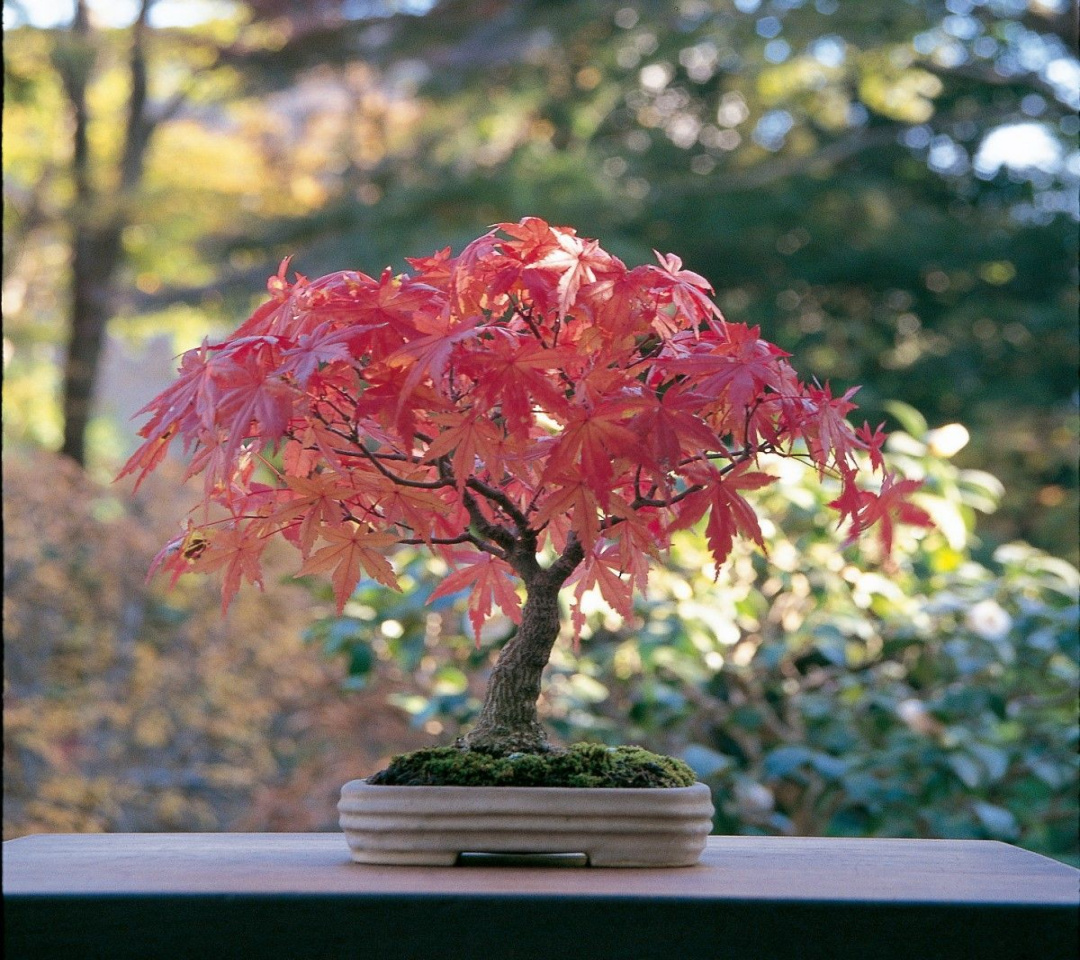
The Japanese Maple, also known as Acer palmatum, is a stunning tree species that is prized for its delicate leaves and vibrant colors. With its graceful branching and intricate foliage, the Japanese Maple is the perfect choice for bonsai enthusiasts looking to create a sense of tranquility and serenity in their living spaces.
When it comes to cultivating a Japanese Maple bonsai, there are a few key factors to keep in mind. The first step is selecting the right tree. Look for a young tree with a strong trunk and well-developed branches. It’s important to choose a tree that has the potential to be shaped and trained into a beautiful bonsai.
Once you have selected your tree, the next step is to begin the training process. This involves careful pruning of the branches and roots to create the desired shape and size for your bonsai. The goal is to create a miniature version of a full-sized tree that retains all of the beauty and elegance of its larger counterpart.
In addition to pruning, shaping, and training, it’s important to provide your Japanese Maple bonsai with the proper care and maintenance. This includes regular watering, fertilizing, and repotting as needed. It’s also important to place your bonsai in a location that receives plenty of natural light, but is protected from harsh sun and wind.
One of the most rewarding aspects of cultivating a Japanese Maple bonsai is watching it grow and evolve over time. As the tree matures, its branches will become more refined, its foliage more dense, and its overall appearance more sculptural. With patience and dedication, your bonsai will become a true work of art, a living masterpiece that brings a sense of beauty and tranquility to your home.
In addition to its aesthetic beauty, the Japanese Maple bonsai also holds a special significance in Japanese culture. In Japan, bonsai is considered a form of living art, a way to connect with nature and create a sense of harmony and balance in one’s surroundings. The Japanese Maple, with its graceful form and vibrant colors, is a symbol of peace, serenity, and beauty in Japanese art and literature.
Whether you are a seasoned bonsai enthusiast or a newcomer to the art of cultivating miniature trees, the Japanese Maple bonsai is a beautiful and rewarding choice. With its elegant branches, delicate leaves, and vibrant colors, the Japanese Maple is a true masterpiece of nature, a living work of art that brings a sense of tranquility and beauty to any space it inhabits. So why not try your hand at crafting serenity with a Japanese Maple bonsai of your own?
Miniature Masterpieces: Cultivating Beauty
The art of Japanese Maple Bonsai is truly a marvel to behold. These miniature masterpieces are a testament to the patience, skill, and dedication of bonsai enthusiasts around the world. Cultivating beauty in miniature takes time, effort, and a keen eye for detail, but the results are truly breathtaking.
Japanese Maple Bonsai trees are known for their delicate leaves, vibrant colors, and elegant branches. They are a symbol of tranquility, harmony, and balance in Japanese culture, making them the perfect addition to any home or garden. Cultivating a Japanese Maple Bonsai is a labor of love, requiring careful attention to detail and a deep understanding of the tree’s needs.
The first step in cultivating a Japanese Maple Bonsai is selecting the right tree. It is important to choose a healthy, young tree with a strong root system and a well-defined trunk. The tree should have a balanced shape and plenty of potential for growth and development. Once you have selected the perfect tree, it is time to begin the process of cultivating beauty in miniature.
Caring for a Japanese Maple Bonsai requires patience, skill, and dedication. The tree must be carefully pruned, wired, and shaped to create the desired aesthetic. Pruning is essential for maintaining the tree’s shape and promoting healthy growth. It is important to remove any dead or diseased branches, as well as any branches that are growing in the wrong direction. Wiring is used to guide the branches into the desired position and create a sense of balance and harmony.
In addition to pruning and wiring, the Japanese Maple Bonsai must be carefully watered, fertilized, and protected from pests and disease. Watering should be done regularly, taking care not to overwater or underwater the tree. Fertilizing is essential for promoting healthy growth and vibrant foliage. It is important to use a balanced fertilizer specifically designed for bonsai trees. Protecting the tree from pests and disease is also crucial, as these can quickly destroy all of your hard work.
One of the most rewarding aspects of cultivating a Japanese Maple Bonsai is watching it grow and develop over time. As the tree matures, its trunk thickens, its branches become more defined, and its leaves take on a beautiful color. Each year, the tree becomes more and more of a miniature masterpiece, a true work of art in its own right.
The art of Japanese Maple Bonsai is not just about cultivating beauty in miniature, it is also about cultivating a sense of peace, tranquility, and harmony. Bonsai trees are believed to bring good luck and positive energy into the home, making them the perfect addition to any living space. The act of caring for a bonsai tree is a meditative practice, allowing you to connect with nature and find inner peace.
In conclusion, the art of Japanese Maple Bonsai is a truly remarkable practice that requires patience, skill, and dedication. Cultivating beauty in miniature is a rewarding and fulfilling experience that brings peace, tranquility, and harmony into your life. With careful attention to detail and a deep respect for the tree, you can create a miniature masterpiece that will bring joy and beauty into your home for years to come.