Aromatic Allure: Exploring the World of Cardamom
Welcome to the fragrant world of cardamom, where exotic scents and flavors await! Cardamom is a unique spice that has been treasured for centuries for its aromatic allure and versatile uses in culinary creations. Let’s take a journey into the fascinating world of cardamom, exploring its origins, cultivation, and harvesting practices.
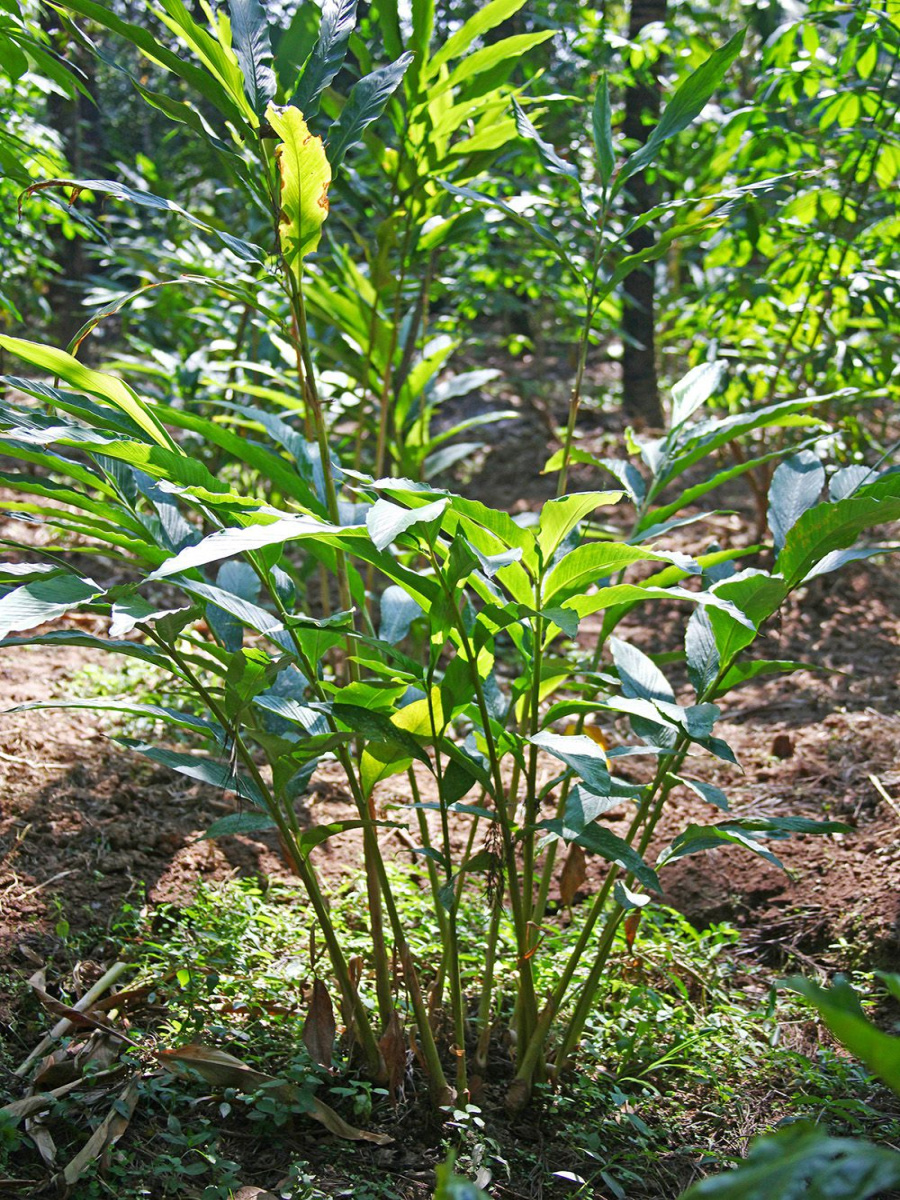
Cardamom, scientifically known as Elettaria cardamomum, is a member of the ginger family and is native to the lush forests of southern India. It is also cultivated in other tropical regions such as Guatemala, Sri Lanka, and Nepal. The plant itself is a perennial herb with long, lance-shaped leaves and elegant clusters of white flowers. But it’s the seeds within the plant’s pods that hold the key to cardamom’s enchanting aroma and flavor.
The aromatic allure of cardamom comes from its essential oils, which are rich in compounds like cineole, limonene, and terpinene. These oils give cardamom its distinctive spicy-sweet scent, with hints of citrus, mint, and herbal notes. It’s no wonder that cardamom is often referred to as the Queen of Spices for its complex and seductive fragrance.
In addition to its aromatic qualities, cardamom also boasts a wide range of health benefits. It has been used for centuries in traditional medicine for its digestive properties, as well as its ability to freshen breath and soothe sore throats. Cardamom is also rich in antioxidants, which can help protect the body from oxidative stress and inflammation.
Growing cardamom is a labor of love, as the plant requires specific conditions to thrive. It prefers a humid, tropical climate with well-draining soil and partial shade. Cardamom plants are typically propagated from seeds or rhizomes, and they can take up to three years to mature and produce pods. Once the pods are ready for harvesting, they are carefully handpicked to ensure optimal flavor and quality.
Harvesting cardamom is a delicate process that requires precision and patience. The pods are harvested when they are still green and unripe, as this is when they contain the highest concentration of essential oils and flavor compounds. The pods are then dried in the sun or in special drying rooms to preserve their aroma and taste.
Cardamom pods can be used whole or ground in a variety of culinary applications. They are a popular ingredient in Indian, Middle Eastern, and Scandinavian cuisines, adding depth and warmth to dishes like curries, desserts, and beverages. Cardamom is also a key component in spice blends like garam masala and chai masala, lending its unique flavor profile to these aromatic mixtures.
In conclusion, the world of cardamom is a fragrant and flavorful one, filled with exotic scents and tastes that captivate the senses. From its origins in the tropical forests of India to its cultivation and harvesting practices around the globe, cardamom continues to enchant food lovers and spice enthusiasts alike. So why not spice up your culinary adventures with a dash of cardamom magic? Your taste buds will thank you!
From Seed to Spice: Growing and Harvesting Tips
Welcome to the fragrant world of cardamom! This exotic spice has been captivating people’s senses for centuries with its unique aroma and flavor. In this guide, we will delve into the process of growing and harvesting cardamom, from seed to spice.
Cardamom is a tropical plant that thrives in warm and humid climates. It is native to the forests of India, but can also be found in other parts of Asia, as well as Central and South America. The plant belongs to the ginger family and produces small pods containing the prized seeds that we know as cardamom.
To start growing cardamom, you will need to obtain fresh seeds from a reliable source. The seeds are best planted in a well-draining soil mix that is rich in organic matter. It is important to keep the soil consistently moist, but not waterlogged, to ensure proper growth.
Cardamom plants prefer partial shade and protection from strong winds. They can be grown outdoors in tropical regions or indoors in containers in cooler climates. The plants should be watered regularly and fertilized with a balanced fertilizer to promote healthy growth.
As the cardamom plant matures, it will produce long, lance-shaped leaves and small white flowers with delicate purple veins. The flowers eventually give way to green pods that contain the aromatic seeds. It takes about two to three years for the plant to reach full maturity and start producing pods.
Harvesting cardamom pods is a labor-intensive process that requires patience and precision. The pods are typically harvested by hand when they are still green and slightly immature. This is done to ensure that the seeds inside the pods are at their peak flavor and aroma.
To harvest the pods, they are carefully cut from the plant using a sharp knife or scissors. It is important to handle the pods gently to avoid damaging them and compromising the quality of the seeds. The harvested pods are then dried in the sun or a low-temperature dehydrator to preserve their flavor and aroma.
Once the pods are fully dried, they can be gently cracked open to reveal the small, black seeds inside. These seeds are the prized cardamom spice that is used in a variety of culinary dishes and beverages around the world. Cardamom seeds can be ground into a powder or used whole in cooking and baking.
Growing and harvesting cardamom is a rewarding experience that allows you to connect with the vibrant world of spices. Whether you are a seasoned gardener or a novice plant enthusiast, cultivating cardamom in your own garden can bring a touch of exotic flavor to your life.
So why not embark on a journey into the fragrant world of cardamom? With the right growing and harvesting tips, you can cultivate this exotic spice plant and enjoy the rich aroma and flavor that it has to offer. Happy gardening and spice hunting!