The Beauty of Fothergilla: A Guide to Growing and Caring for this Unique Plant
Discover the Delightful Fothergilla Plant!
When it comes to unique and beautiful plants for your garden, the Fothergilla is a standout choice. With its delightful clusters of fragrant white flowers and vibrant fall foliage, this plant is sure to add a touch of charm to any landscape. But what exactly is a Fothergilla, and how can you grow and care for this special plant? Let’s dive into the wonderful world of Fothergilla and discover all there is to know about this delightful plant.
Fothergilla is a genus of flowering shrubs native to the southeastern United States. They are known for their striking beauty and easy-care nature, making them a popular choice for gardeners looking to add a unique touch to their landscapes. Fothergilla plants are deciduous, meaning they shed their leaves in the fall and remain dormant through the winter months. This makes them an excellent choice for adding seasonal interest to your garden.
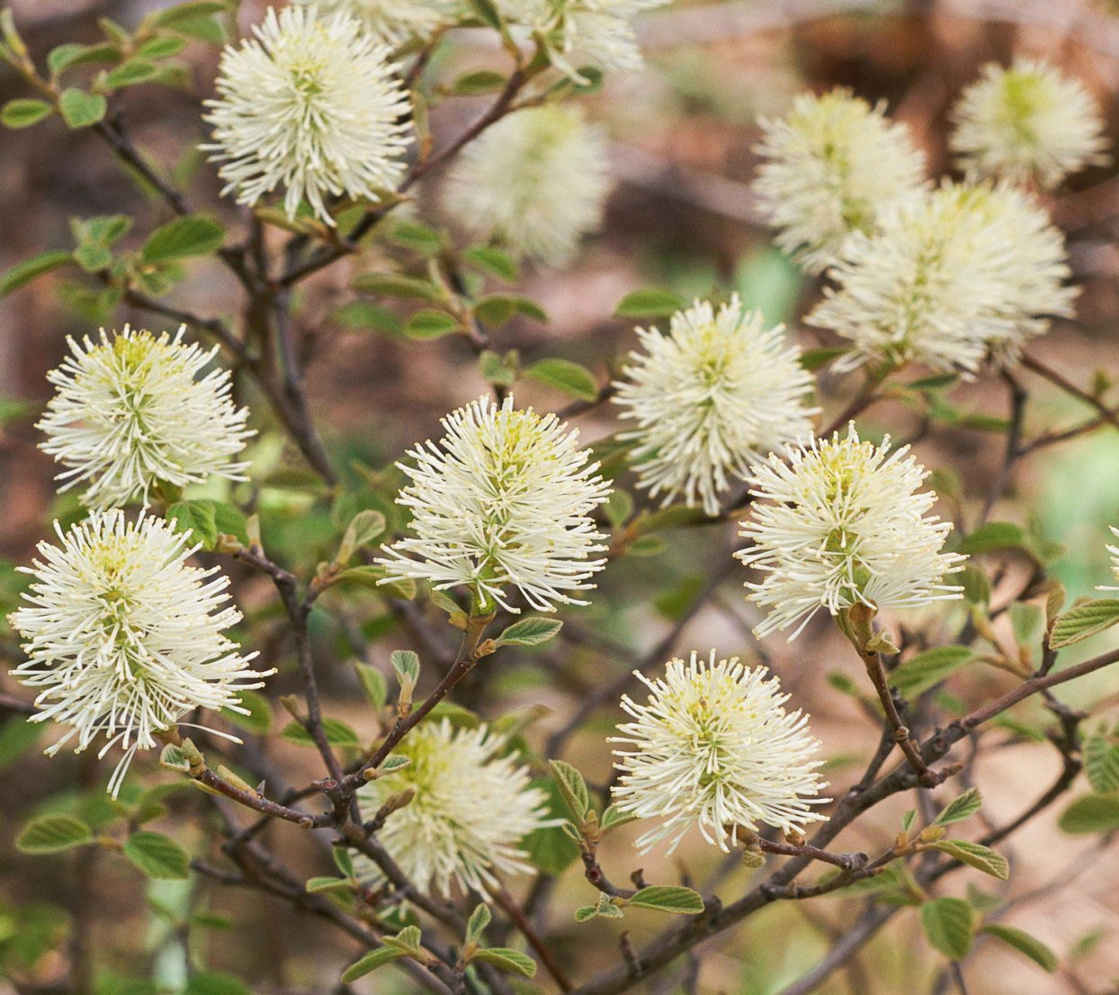
One of the most striking features of the Fothergilla plant is its fragrant white flowers, which bloom in early spring. These fluffy, bottlebrush-like blooms are not only beautiful to look at but also attract pollinators such as bees and butterflies to your garden. The flowers give way to small, dark blue berries in the summer months, adding yet another layer of visual interest to the plant.
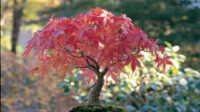
In addition to its beautiful flowers, the Fothergilla plant also boasts stunning fall foliage. The leaves turn shades of yellow, orange, and red in the autumn, creating a vibrant display of color in your garden. This makes the Fothergilla a great choice for adding a pop of color to your landscape as the days grow shorter and cooler.
So, how can you grow and care for this unique and delightful plant in your own garden? Fothergilla plants prefer moist, well-drained soil and partial shade to full sun. They are relatively low-maintenance once established, requiring only occasional watering and pruning to maintain their shape. Fothergilla plants are also resistant to most pests and diseases, making them an excellent choice for gardeners looking for a fuss-free plant to add to their landscape.
When planting your Fothergilla, be sure to choose a location with adequate sunlight and good drainage. Dig a hole that is twice the width of the plant’s root ball and slightly shallower than the depth of the root ball. Gently loosen the roots before placing the plant in the hole and backfill with soil, pressing down firmly to eliminate any air pockets. Water the plant thoroughly after planting to help it establish itself in its new home.
Once planted, be sure to water your Fothergilla regularly, especially during hot, dry spells. Mulching around the base of the plant can help retain moisture and suppress weeds, keeping your Fothergilla healthy and happy. Prune the plant in late winter or early spring to remove any dead or damaged branches and maintain its shape.
Overall, the Fothergilla plant is a delightful and unique addition to any garden. With its beautiful flowers, vibrant fall foliage, and easy-care nature, this plant is sure to bring joy and beauty to your landscape for years to come. So why not add a touch of charm to your garden with a Fothergilla plant today?
Tips for Growing and Thriving with Fothergilla!
The Fothergilla plant, also known as witch alder, is a unique and beautiful addition to any garden. With its striking foliage and fragrant blooms, this plant is sure to catch the eye of any passerby. But in order to truly appreciate the beauty of Fothergilla, it’s important to understand how to properly care for and grow this special plant.
One of the first things to consider when growing Fothergilla is its preferred growing conditions. This plant thrives in moist, well-drained soil that is slightly acidic. It also prefers full to partial sun, so be sure to plant it in a location where it will receive adequate sunlight throughout the day. Additionally, Fothergilla is hardy in USDA zones 5-8, so make sure to check your zone before planting.
When it comes to planting Fothergilla, it’s best to do so in the spring or fall. Dig a hole that is slightly larger than the root ball of the plant and place it in the hole, making sure the top of the root ball is level with the surrounding soil. Water the plant thoroughly after planting to help it establish itself in its new home.
Once planted, Fothergilla requires relatively low maintenance. Water the plant regularly, especially during dry periods, to keep the soil consistently moist but not waterlogged. Mulching around the base of the plant can help retain moisture and suppress weeds. Additionally, Fothergilla does not require regular pruning, but you can trim any dead or damaged branches in the late winter or early spring.
Fothergilla is known for its beautiful foliage, which changes color throughout the year. In the spring, the leaves emerge in shades of green and eventually transition to vibrant shades of orange, red, and yellow in the fall. This stunning display of colors makes Fothergilla a standout in any garden.
In addition to its foliage, Fothergilla also produces fragrant white blooms in the spring. These delicate flowers are a welcome sight after the long winter months and attract pollinators such as bees and butterflies to the garden. The blooms give way to small, dark berries in the fall, adding another level of interest to the plant.
To ensure your Fothergilla continues to thrive year after year, it’s important to monitor for any signs of pests or diseases. While Fothergilla is relatively resistant to both, it’s still a good idea to keep an eye out for any issues that may arise. If you do notice any problems, treat them promptly to prevent them from spreading to the rest of the plant.
Overall, growing and caring for Fothergilla is a rewarding experience that will bring beauty and interest to your garden year-round. By providing the proper growing conditions and minimal maintenance, you can enjoy the unique qualities of this plant for many seasons to come. So why not add a Fothergilla to your garden today and experience the beauty for yourself?