As the air turns crisp and the leaves begin to change colors, nature puts on a show of lustrous beauty with the arrival of the Autumn Crocus plant. This elegant flower, also known as Colchicum, boasts a stunning display of vibrant hues that light up the fall landscape.
The Autumn Crocus is not actually a crocus at all, but rather a member of the Colchicaceae family. Despite its misnomer, this plant shares some similarities with its namesake, including its ability to thrive in cooler temperatures and its striking, cup-shaped blooms.
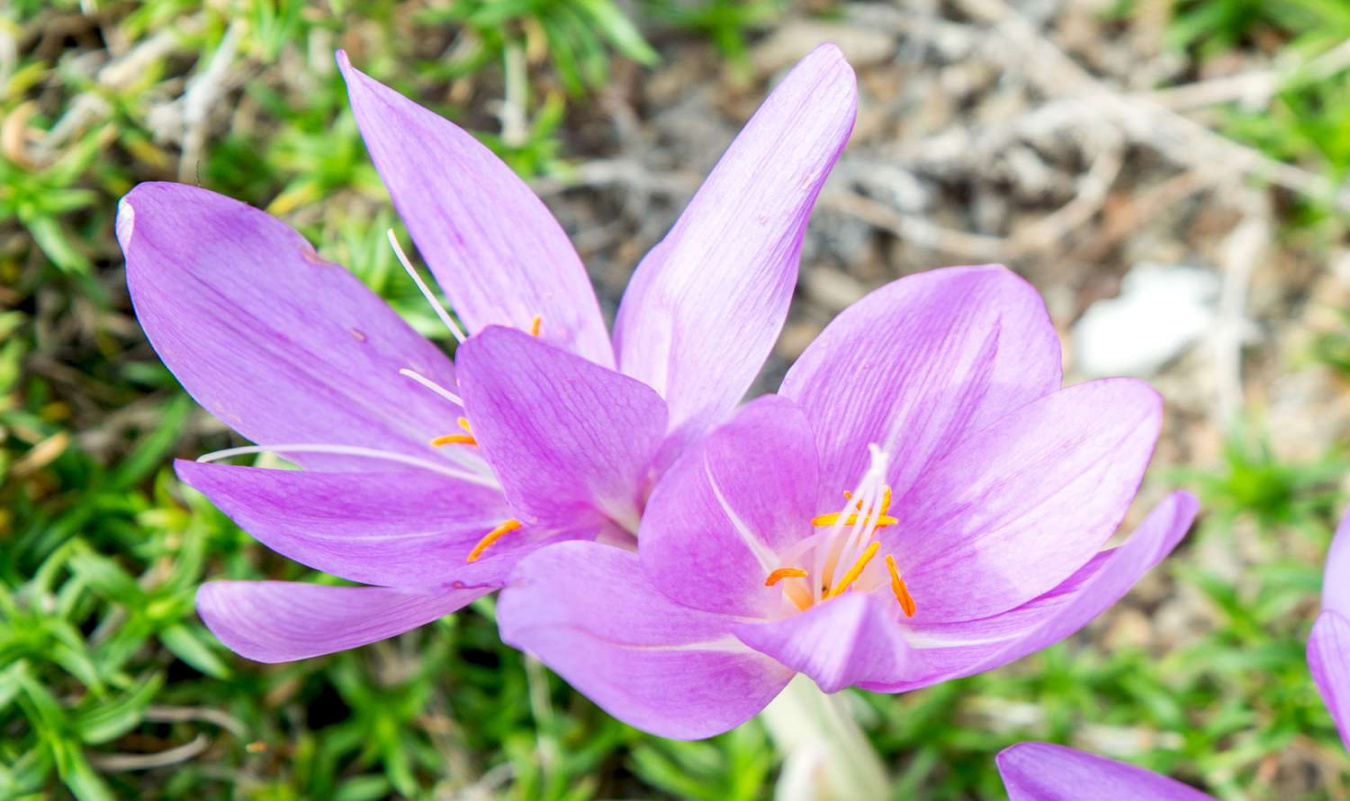
One of the most alluring features of the Autumn Crocus is its radiant color palette. From deep purples and rich magentas to soft pinks and creamy whites, these blooms add a pop of color to the autumn garden. Their velvety petals shimmer in the sunlight, creating a mesmerizing display that captures the eye and warms the heart.
But the beauty of the Autumn Crocus goes beyond its stunning appearance. This plant has a rich history and cultural significance that dates back centuries. In ancient times, the Autumn Crocus was revered for its medicinal properties and used to treat a variety of ailments. Today, it is still prized for its healing properties and is used in traditional medicine to alleviate pain and inflammation.
In addition to its medicinal uses, the Autumn Crocus has also played a role in mythology and folklore. In Greek mythology, the plant was associated with the goddess Persephone, who was said to have created the flower as a symbol of rebirth and renewal. In Persian folklore, the Autumn Crocus was believed to bring good luck and prosperity to those who cultivated it.
But perhaps the most famous use of the Autumn Crocus is in the culinary world. The plant produces a rare and valuable spice known as saffron, which is harvested from the flower’s crimson stigmas. Saffron is prized for its intense flavor and vibrant color, making it a popular ingredient in a variety of dishes, from paella to risotto.
Despite its beauty and cultural significance, the Autumn Crocus is not without its dangers. All parts of the plant are toxic if ingested, so care should be taken when handling it. However, with proper precautions, the Autumn Crocus can be enjoyed safely in the garden and admired for its radiant elegance.
In conclusion, the Autumn Crocus is a plant of lustrous beauty and rich history. Its vibrant blooms, medicinal properties, and cultural significance make it a truly enchanting addition to the autumn landscape. So next time you see these radiant flowers blooming in the garden, take a moment to appreciate the magic of the Autumn Crocus plant.
Enchanting Blooms: Discover the Magic of Saffron Crocus
As the crisp autumn air begins to settle in and the leaves transition from vibrant greens to rich hues of red, orange, and gold, there is one plant that stands out among the rest for its lustrous beauty: the Saffron Crocus. This enchanting flower, known for its mesmerizing blooms and valuable spice, holds a special place in the hearts of gardeners and culinary enthusiasts alike.
The Saffron Crocus, scientifically known as Crocus sativus, is a delicate perennial plant that blooms in the fall months, adding a pop of color to the autumn landscape. Its vibrant purple petals and fiery orange stigmas make it a sight to behold, attracting bees and butterflies with its sweet fragrance. As the flowers unfurl in the sunlight, they seem to exude a magical aura, casting a spell of enchantment over all who gaze upon them.
But it is not just the beauty of the Saffron Crocus that captivates the senses – it is also the valuable spice that lies within. The stigmas of the flower, known as saffron threads, are carefully harvested and dried to create one of the most sought-after spices in the world. Saffron is prized for its unique flavor, which is both floral and earthy, with a hint of honey-like sweetness. It is used in a wide range of culinary dishes, from paella and risotto to saffron-infused desserts and beverages.
The process of harvesting saffron is labor-intensive and time-consuming, as each delicate stigma must be carefully plucked by hand. It takes thousands of flowers to produce just a small amount of saffron spice, making it one of the most expensive spices by weight. But the effort is well worth it for those who appreciate the depth of flavor and vibrant color that saffron adds to their cooking.
In addition to its culinary uses, saffron has also been prized for its medicinal properties for centuries. It is believed to have anti-inflammatory and antioxidant properties, as well as potential benefits for mood and cognitive function. Saffron has been used in traditional medicine to treat a variety of ailments, from digestive issues to depression, and modern research continues to explore its potential health benefits.
For gardeners, the Saffron Crocus offers not only a beautiful addition to the fall garden but also a sense of satisfaction in growing their own valuable spice. Planting and caring for Saffron Crocus bulbs is relatively easy, requiring well-drained soil and full sun to partial shade. The bulbs should be planted in late summer or early fall, just before the first frost, and will bloom in the following weeks.
As the autumn days grow shorter and the temperatures begin to cool, the Saffron Crocus emerges as a beacon of beauty and magic in the garden. Its enchanting blooms and valuable spice are a reminder of the wonders of nature and the joy that can be found in growing and harvesting our own food and medicine. So next time you see a Saffron Crocus in bloom, take a moment to appreciate its lustrous beauty and the magic it brings to the autumn landscape.