Delving into the Cornus Controversa Controversy
When it comes to the world of plants and landscaping, there are few species that evoke as much debate and controversy as Cornus Controversa, also known as the Wedding Cake Tree. This unique and divisive plant has been the subject of much discussion among gardeners, botanists, and plant enthusiasts alike.
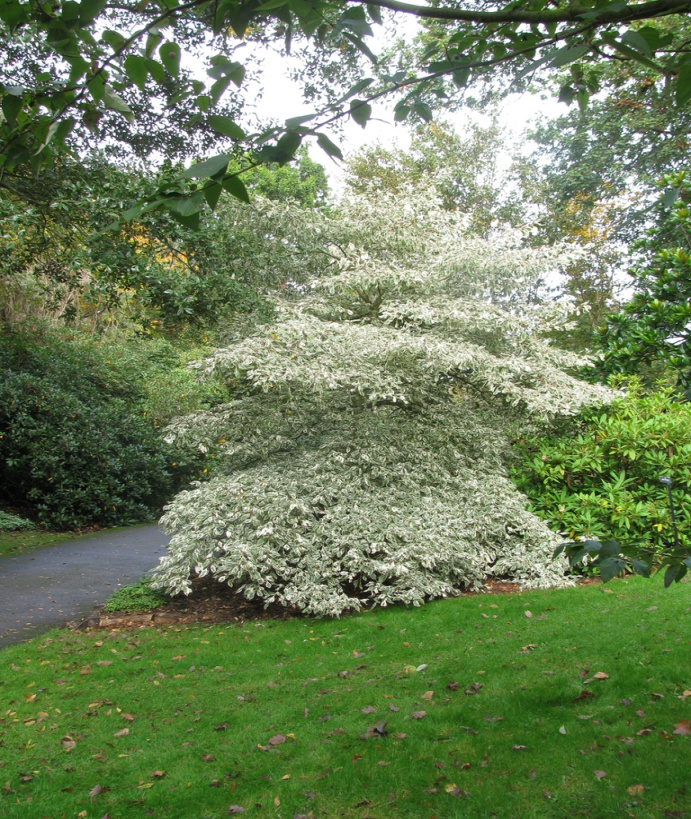
The Cornus Controversa is a deciduous tree that is known for its striking tiered branches, which give it the appearance of a wedding cake. It is native to parts of Asia and Europe and is prized for its ornamental value in gardens and landscapes. However, despite its beauty, the Cornus Controversa has sparked a heated debate among those in the horticultural community.
One of the main points of contention surrounding the Cornus Controversa is its invasive nature. Some argue that the tree has a tendency to spread rapidly and can crowd out native plant species, leading to ecological imbalance. Others, however, point out that with proper care and maintenance, the Cornus Controversa can be kept in check and coexist harmoniously with other plants in the garden.
Another source of controversy surrounding the Cornus Controversa is its susceptibility to certain diseases and pests. Some gardeners have reported issues with powdery mildew and leaf spot, which can affect the health and appearance of the tree. However, proponents of the Cornus Controversa argue that these problems can be prevented or managed with proper care and attention.
Despite these controversies, the Cornus Controversa remains a popular choice for many gardeners and landscapers who appreciate its unique beauty and architectural presence. Its tiered branches create a dramatic focal point in any garden, providing visual interest throughout the year.
In addition to its aesthetic appeal, the Cornus Controversa also offers practical benefits for wildlife. The tree produces small white flowers in the spring, which are attractive to bees and other pollinators. In the fall, it produces clusters of small berries that are a valuable food source for birds and other wildlife.
Ultimately, the debate over the Cornus Controversa comes down to a matter of personal preference and gardening philosophy. While some may see it as a problematic plant that requires careful management, others view it as a stunning addition to the landscape that offers both beauty and ecological benefits.
Whether you love it or loathe it, there is no denying that the Cornus Controversa is a plant that inspires strong opinions and lively debate. Its unique characteristics and divisive nature make it a topic of conversation among gardeners and plant enthusiasts around the world. Love it or hate it, the Cornus Controversa is a plant that is sure to spark discussion and controversy wherever it is planted.
Unraveling the Mystery of the Divisive Dogwood
The Cornus Controversa, more commonly known as the Wedding Cake Tree or the Variegated Dogwood, has long been a topic of debate among gardeners and horticulturists. This unique plant, with its distinctive tiered branches and variegated leaves, has sparked conversations and divided opinions for years. Let’s delve into the controversy surrounding this enigmatic species and explore the reasons behind its divisive nature.
One of the key reasons behind the Cornus Controversa’s divisive reputation is its distinctive appearance. Unlike traditional dogwood trees, which have a more uniform and predictable growth pattern, the Cornus Controversa stands out with its tiered branches that resemble layers of a wedding cake. This unique growth habit can be both a source of fascination and frustration for gardeners. Some appreciate the tree’s architectural beauty and the visual interest it adds to a landscape, while others find its irregular shape and unpredictability challenging to work with.
In addition to its unusual growth pattern, the Cornus Controversa also features striking variegated leaves that add a pop of color to any garden. The leaves are a mix of green and white, creating a dramatic contrast that draws the eye and adds a touch of whimsy to the landscape. However, this variegation can be a point of contention among gardeners, as some prefer the more traditional solid green foliage of other dogwood varieties.
Another factor contributing to the controversy surrounding the Cornus Controversa is its maintenance requirements. While dogwoods are generally easy to care for, the Wedding Cake Tree can be more high-maintenance due to its unique growth habit. Pruning is essential to maintain the tree’s tiered structure and prevent it from becoming unruly. Some gardeners enjoy the challenge of shaping and sculpting the tree to enhance its beauty, while others find the constant maintenance daunting.
Despite its divisive nature, the Cornus Controversa has its fair share of admirers who appreciate its unique characteristics and the sense of drama it brings to a garden. Its tiered branches create a sense of depth and movement, adding a touch of elegance to any landscape. The variegated leaves provide year-round interest, changing color with the seasons and creating a dynamic focal point in the garden.
In addition to its aesthetic appeal, the Cornus Controversa also has practical benefits for wildlife. The tree produces small white flowers in the spring that attract pollinators such as bees and butterflies. In the fall, it produces red berries that are a food source for birds. This makes the tree not only a visually striking addition to a garden but also a valuable habitat for wildlife.
Overall, the debate over the Cornus Controversa is a lively one, with passionate opinions on both sides of the argument. Whether you love its unique beauty and dramatic flair or find its irregular growth pattern and maintenance requirements challenging, there’s no denying that the Wedding Cake Tree is a plant that inspires strong feelings. So, the next time you come across a Cornus Controversa in a garden, take a moment to appreciate its divisive nature and the lively debate it sparks among gardeners and horticulturists.