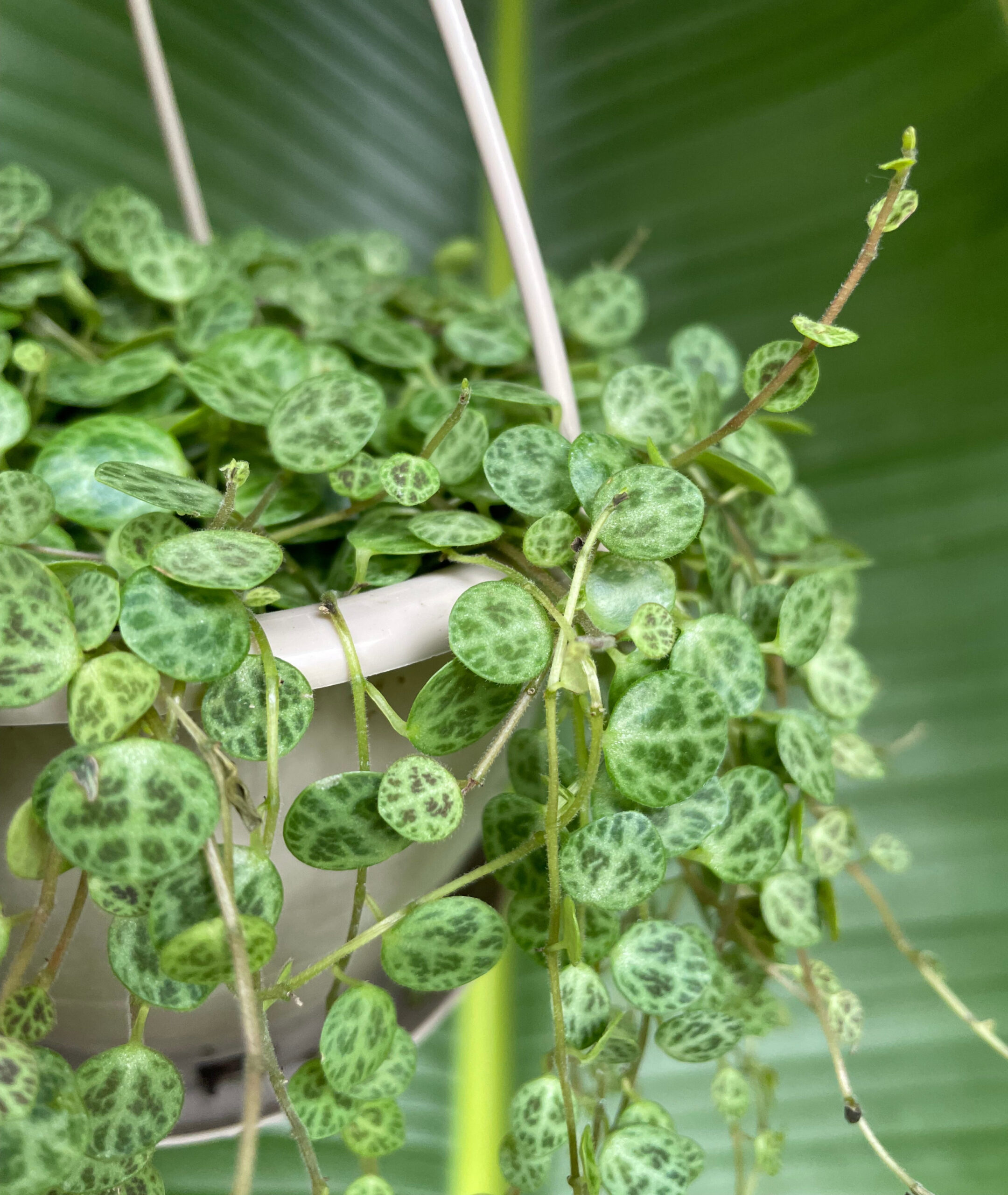
Cultivating Your String Of Turtles: A Succulent Symphony
Welcome to the wonderful world of String Of Turtles plants! These unique succulents are not only charming with their turtle-shaped leaves but also relatively easy to care for. However, like any plant, they do require a little TLC to thrive. In this article, we will explore the essential care tips for cultivating your String Of Turtles and creating a succulent symphony in your home.
First and foremost, let’s talk about light. String Of Turtles plants thrive in bright, indirect sunlight. Place your plant near a window where it can receive plenty of light but avoid direct sunlight, as this can scorch the delicate leaves. If you notice that your plant is stretching towards the light, it may be a sign that it needs more sun exposure.
Next, let’s discuss watering. Like most succulents, String Of Turtles plants prefer to dry out between waterings. Water your plant thoroughly, allowing the excess water to drain out of the pot. It’s important to avoid overwatering, as this can lead to root rot. In general, it’s best to underwater rather than overwater your String Of Turtles.
When it comes to soil, String Of Turtles plants thrive in a well-draining mix. A combination of cactus soil and perlite works well for these succulents. Repotting your plant every 1-2 years can also help prevent root bound and promote healthy growth.
In terms of temperature, String Of Turtles plants prefer warm, consistent temperatures. They do well in average room temperatures ranging from 65-80 degrees Fahrenheit. Avoid placing your plant near drafty windows or doors, as this can cause temperature fluctuations that may stress the plant.
Humidity is another important factor to consider when caring for your String Of Turtles. These succulents prefer low to moderate humidity levels. If you live in a particularly dry climate, you may need to increase the humidity around your plant by placing a tray of water nearby or using a humidifier.
Fertilizing your String Of Turtles is also essential for healthy growth. During the growing season in spring and summer, you can fertilize your plant with a diluted succulent fertilizer every 4-6 weeks. However, during the dormant winter months, it’s best to hold off on fertilizing.
Propagation is another fun aspect of caring for String Of Turtles plants. These succulents can be easily propagated from stem cuttings. Simply snip off a healthy stem with a few leaves and allow it to callous over for a day or two. Then, place the cutting in a well-draining soil mix and keep it moist until roots develop.
Pests are always a concern when it comes to houseplants, but String Of Turtles are relatively pest-resistant. However, you may occasionally encounter mealybugs or spider mites. To treat any infestations, simply wipe down the leaves with a damp cloth or use an insecticidal soap.
In conclusion, cultivating your String Of Turtles is like conducting a symphony – it requires attention to detail, patience, and a little bit of love. By following these care tips, you can create a thriving succulent garden in your own home. So go ahead, enjoy the unique beauty of your String Of Turtles plants and watch them flourish under your care.
Dive into the World of String Of Turtles Care Essentials
Welcome to the wonderful world of String Of Turtles care essentials! If you’re a succulent lover looking to add a unique and charming plant to your collection, then the String Of Turtles is the perfect choice for you. This quirky succulent, also known as Peperomia Prostrata, is sure to bring a touch of whimsy to your home with its distinctive turtle-shaped leaves.
Taking care of your String Of Turtles plant may seem daunting at first, but with the right knowledge and a little bit of TLC, you can easily help it thrive. In this guide, we will explore some essential tips and tricks to ensure that your String Of Turtles plant remains healthy and happy.
First and foremost, it’s important to understand the natural habitat of the String Of Turtles plant. This succulent is native to the rainforests of Brazil, where it thrives in warm, humid conditions with bright, indirect light. To replicate this environment in your home, place your plant near a window where it can receive plenty of sunlight without being exposed to direct rays.
When it comes to watering your String Of Turtles plant, less is more. This succulent is sensitive to overwatering, so it’s best to err on the side of caution. Allow the top inch of soil to dry out between waterings, and always make sure that the pot has proper drainage to prevent root rot. During the growing season in spring and summer, you may need to water your plant more frequently, but be sure to adjust your watering schedule accordingly during the dormant winter months.
In terms of soil, the String Of Turtles plant prefers a well-draining mix that is rich in organic matter. A combination of cactus soil and perlite is ideal for this succulent, as it allows for proper drainage and aeration. Repotting your plant every 2-3 years will also help prevent overcrowding and promote healthy growth.
One of the key factors in caring for your String Of Turtles plant is maintaining the right humidity levels. This succulent thrives in humid conditions, so it’s important to provide some additional moisture, especially during the dry winter months. You can do this by misting your plant regularly or placing a humidifier nearby to create a more humid environment.
When it comes to fertilizing your String Of Turtles plant, less is more. This succulent is not a heavy feeder, so it’s best to use a balanced fertilizer diluted to half strength during the growing season. Fertilize your plant once a month to provide it with the nutrients it needs to thrive.
In terms of temperature, the String Of Turtles plant prefers a warm environment with temperatures ranging from 65-75 degrees Fahrenheit. Avoid exposing your plant to drafts or sudden temperature changes, as this can stress the plant and affect its overall health.
Lastly, keep an eye out for pests that may affect your String Of Turtles plant. Common pests such as mealybugs and spider mites can be a nuisance, so it’s important to regularly inspect your plant for any signs of infestation. If you do notice any pests, treat them immediately with a gentle insecticidal soap or neem oil to prevent further damage.
By following these care essentials for your String Of Turtles plant, you can ensure that your succulent thrives and continues to bring joy and beauty to your home. With a little bit of love and attention, your String Of Turtles plant will be a happy and healthy addition to your succulent collection.