Mastering the Miniature: Japanese Maple Bonsai
In the world of bonsai, there is a special elegance and grace that comes with cultivating Japanese Maple bonsai trees. These miniature masterpieces are a true testament to the artistry and patience required to create such breathtaking beauty in such a small scale.
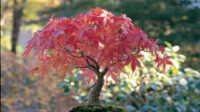
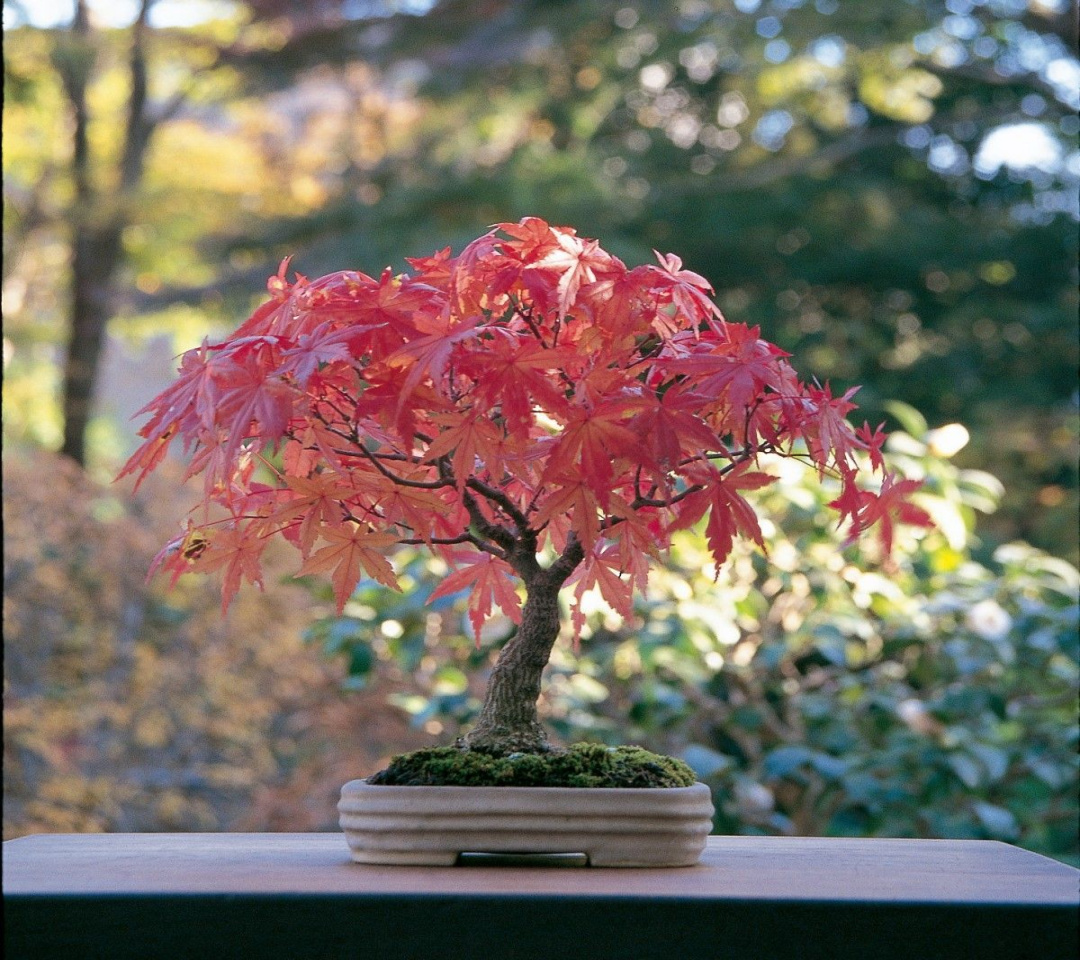
Japanese Maple bonsai trees are known for their delicate leaves and stunning colors, ranging from vibrant reds to soft greens. The intricate branches of these trees can be trained and shaped over time to create unique and artistic designs that reflect the natural beauty of the Japanese landscape.
To truly master the art of Japanese Maple bonsai, one must first understand the fundamental principles of bonsai cultivation. This includes proper watering, fertilizing, and pruning techniques, as well as an understanding of the specific needs of the Japanese Maple tree.
One of the key elements in creating a successful Japanese Maple bonsai is patience. These trees require careful and consistent care over many years to achieve their full potential. It takes time and dedication to train the branches and shape the tree into a work of art that reflects the harmony and balance of nature.
In addition to patience, a true master of Japanese Maple bonsai must also possess a keen eye for design and aesthetics. Each branch and leaf must be carefully considered and pruned to create a harmonious composition that evokes a sense of tranquility and beauty.
The process of creating a Japanese Maple bonsai is a true labor of love. It requires a deep connection to nature and a respect for the tree itself. By carefully tending to the needs of the tree and nurturing its growth, one can create a living work of art that brings peace and beauty into the world.
As the Japanese Maple bonsai tree grows and matures, it becomes a living symbol of grace and elegance. Its delicate leaves and intricate branches are a testament to the beauty that can be found in even the smallest of things. Each twist and turn of the branches tells a story of patience and dedication, of artistry and vision.
In the end, mastering the art of Japanese Maple bonsai is not just about creating a beautiful tree. It is about cultivating a deeper connection to nature and finding peace and harmony in the world around us. It is about embracing the beauty of the miniature and finding grace in the smallest of details.
So the next time you see a Japanese Maple bonsai tree, take a moment to appreciate the artistry and beauty that went into creating such a masterpiece. And remember, true elegance can be found in the tiniest of things, if only we take the time to look.
Cultivating Elegance: Secrets of Bonsai Beauty
In the world of bonsai, the Japanese Maple is revered for its graceful beauty and elegant charm. This exquisite tree, with its delicate leaves and vibrant colors, has captivated bonsai enthusiasts for centuries. The art of cultivating a Japanese Maple bonsai is a practice that requires patience, skill, and a deep appreciation for nature’s beauty.
One of the secrets to creating a truly stunning Japanese Maple bonsai is to carefully select the right specimen. When choosing a tree for bonsai cultivation, it is essential to look for a specimen with a strong trunk, well-developed branches, and a healthy root system. The Japanese Maple, with its slender trunk and intricate branching structure, lends itself perfectly to the art of bonsai.
Once you have selected the perfect specimen, the next step is to begin the process of shaping and training the tree. This is where the true artistry of bonsai comes into play. By carefully pruning and wiring the branches, bonsai enthusiasts can create a tree that embodies grace and elegance. The key to shaping a Japanese Maple bonsai is to work slowly and methodically, allowing the tree to grow and develop over time.
Another secret to creating a beautiful Japanese Maple bonsai is to pay close attention to the tree’s environment. These trees thrive in a well-draining soil mixture and require regular watering to keep their delicate roots healthy. Additionally, Japanese Maples are sensitive to extreme temperatures and should be protected from harsh sunlight and frost.
In addition to proper care and maintenance, the art of bonsai also involves a deep understanding and appreciation for the natural beauty of the tree. Japanese Maples are known for their vibrant colors, ranging from deep reds to bright oranges and yellows. By carefully choosing the right soil mix and providing the tree with the proper nutrients, bonsai enthusiasts can enhance the beauty of the tree’s foliage and create a truly stunning display.
One of the most rewarding aspects of cultivating a Japanese Maple bonsai is watching the tree evolve and grow over time. As the branches begin to take shape and the foliage fills out, bonsai enthusiasts can take pride in knowing that they have created a work of art that reflects the natural beauty of the world around them.
In conclusion, the art of cultivating a Japanese Maple bonsai is a practice that requires patience, skill, and a deep appreciation for nature’s beauty. By carefully selecting the right specimen, shaping and training the tree with care, and providing it with the proper environment and nutrients, bonsai enthusiasts can create a truly stunning work of art that embodies grace and elegance. The Japanese Maple bonsai is a testament to the beauty of nature, and a reminder of the importance of cultivating and cherishing the natural world around us.