The Deadly Beauty of the Datura Plant
The Datura plant, also known as devil’s trumpet or moonflower, is a strikingly beautiful but deadly plant that has captured the imagination of many throughout history. Its alluring appearance and potent properties make it a plant that both fascinates and terrifies those who come into contact with it.
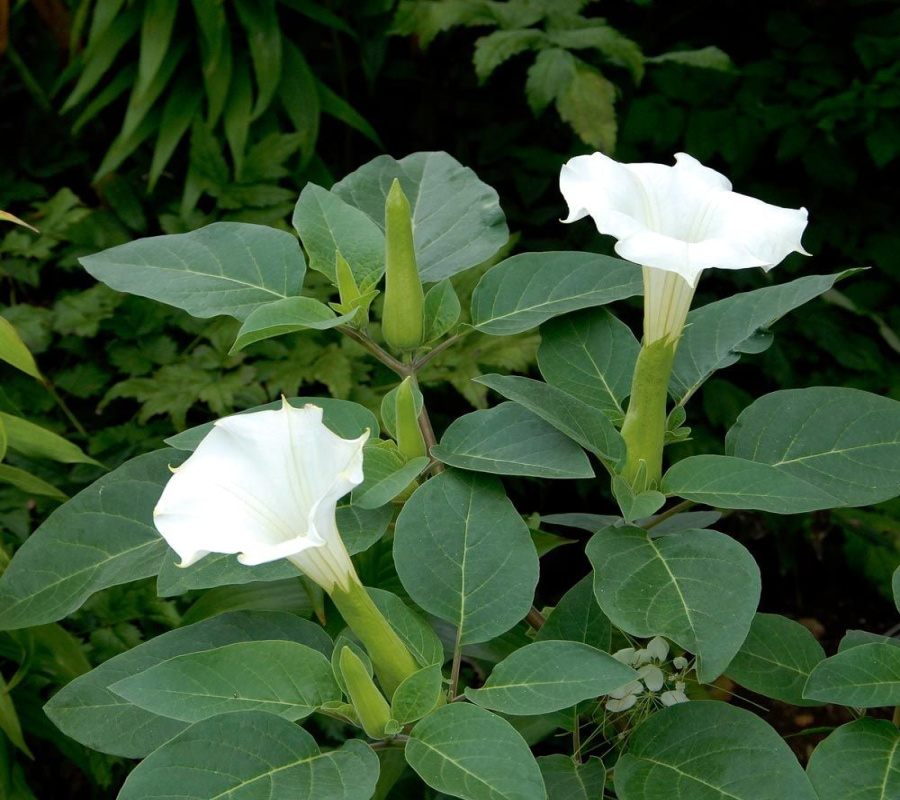
One of the most striking features of the Datura plant is its large, trumpet-shaped flowers that bloom in shades of white, yellow, or purple. These flowers are not only visually stunning, but they also emit a sweet and intoxicating fragrance that lures unsuspecting victims closer. However, what many people don’t realize is that the Datura plant is highly toxic, containing dangerous alkaloids that can cause hallucinations, delirium, and even death if ingested.
The allure of the Datura plant lies in its mysterious and seductive nature. Its flowers bloom at night, adding to the plant’s mystical aura and earning it the nickname moonflower. In folklore and mythology, the Datura plant is often associated with magic, witchcraft, and even the supernatural. Its ability to induce hallucinations and alter the mind has led to its use in various rituals and ceremonies throughout history.
Despite its deadly reputation, the Datura plant continues to captivate gardeners and botanists alike with its unique beauty and intriguing properties. Many people are drawn to the challenge of growing such a dangerous plant, while others are simply mesmerized by its striking appearance and mysterious allure. However, it is important to approach the Datura plant with caution and respect, as its toxic properties can have serious consequences if mishandled.
In addition to its toxic effects, the Datura plant also has a dark and sinister history. Throughout the centuries, it has been associated with poisonings, murders, and even acts of witchcraft. In some cultures, the Datura plant was used as a tool for inducing visions and communicating with the spirit world, leading to its reputation as a plant of mystery and danger.
Despite its dangers, the Datura plant continues to be a source of fascination for many, inspiring artists, writers, and gardeners to explore its deadly beauty. Its striking flowers, intoxicating fragrance, and eerie nighttime blooming habits make it a plant that is both alluring and terrifying, a true embodiment of the concept of deadly beauty.
In conclusion, the Datura plant is a captivating and dangerous plant that has captured the imagination of many throughout history. Its striking appearance, intoxicating fragrance, and toxic properties make it a plant that is both beautiful and deadly, a true embodiment of the concept of deadly beauty. It serves as a reminder of the power and allure of nature, as well as the importance of approaching plants with caution and respect.
Unveiling the Deadly Charms of Datura Flowers
In the world of botany, there are certain plants that captivate our imagination with their alluring beauty, but beneath their charming facade lies a dark secret. One such plant is the Datura flower, also known as the devil’s trumpet or angel’s trumpet. This strikingly beautiful plant has a deadly side that has earned it a fearsome reputation in folklore and legend.
The Datura plant is native to the Americas and belongs to the nightshade family. It is characterized by its large, trumpet-shaped flowers that come in shades of white, yellow, and pink. These flowers bloom at night, releasing a sweet fragrance that attracts moths and other nocturnal pollinators. Despite its enchanting appearance and intoxicating scent, the Datura plant is highly toxic and can cause a range of symptoms if ingested, from hallucinations and delirium to paralysis and even death.
One of the most notorious aspects of the Datura plant is its use in traditional medicine and rituals. In various cultures around the world, Datura has been used for its psychoactive properties, often in shamanic ceremonies or as a potent hallucinogen. However, the line between medicinal and toxic doses is very thin, and many who have experimented with Datura have found themselves in a dangerous and unpredictable state of mind.
The deadly charms of the Datura flower have also made it a popular motif in literature and art. In folklore, the plant is often associated with witchcraft and dark magic, with stories of witches using Datura to induce hallucinations or curses. Artists have been inspired by the plant’s surreal beauty and toxic allure, capturing its ethereal qualities in paintings and illustrations that evoke both fascination and dread.
Despite its dangers, the Datura plant continues to fascinate and intrigue those who encounter it. Its poisonous properties have led to a number of cautionary tales and warnings about the risks of handling or consuming the plant. Yet, there is a certain allure to the forbidden fruit of the Datura flower, a seductive temptation that draws in those who dare to explore its deadly charms.
In the garden, the Datura plant stands out with its large, showy flowers and lush, green foliage. It is a striking addition to any landscape, but one that should be approached with caution and respect. The plant’s toxic nature means that it should be handled with gloves and kept away from children and pets. Despite its deadly reputation, the Datura flower continues to captivate gardeners and botanists with its otherworldly beauty and mysterious allure.
In conclusion, the Datura flower embodies the concept of deadly beauty in the natural world. Its alluring appearance and intoxicating scent hide a dark secret that serves as a cautionary tale for those who are drawn to its charms. The plant’s rich history in folklore, medicine, and art only adds to its mystique, making it a symbol of both fascination and danger. The next time you encounter a Datura plant in bloom, take a moment to appreciate its beauty from a safe distance and remember the deadly charms that lie beneath its enchanting facade.