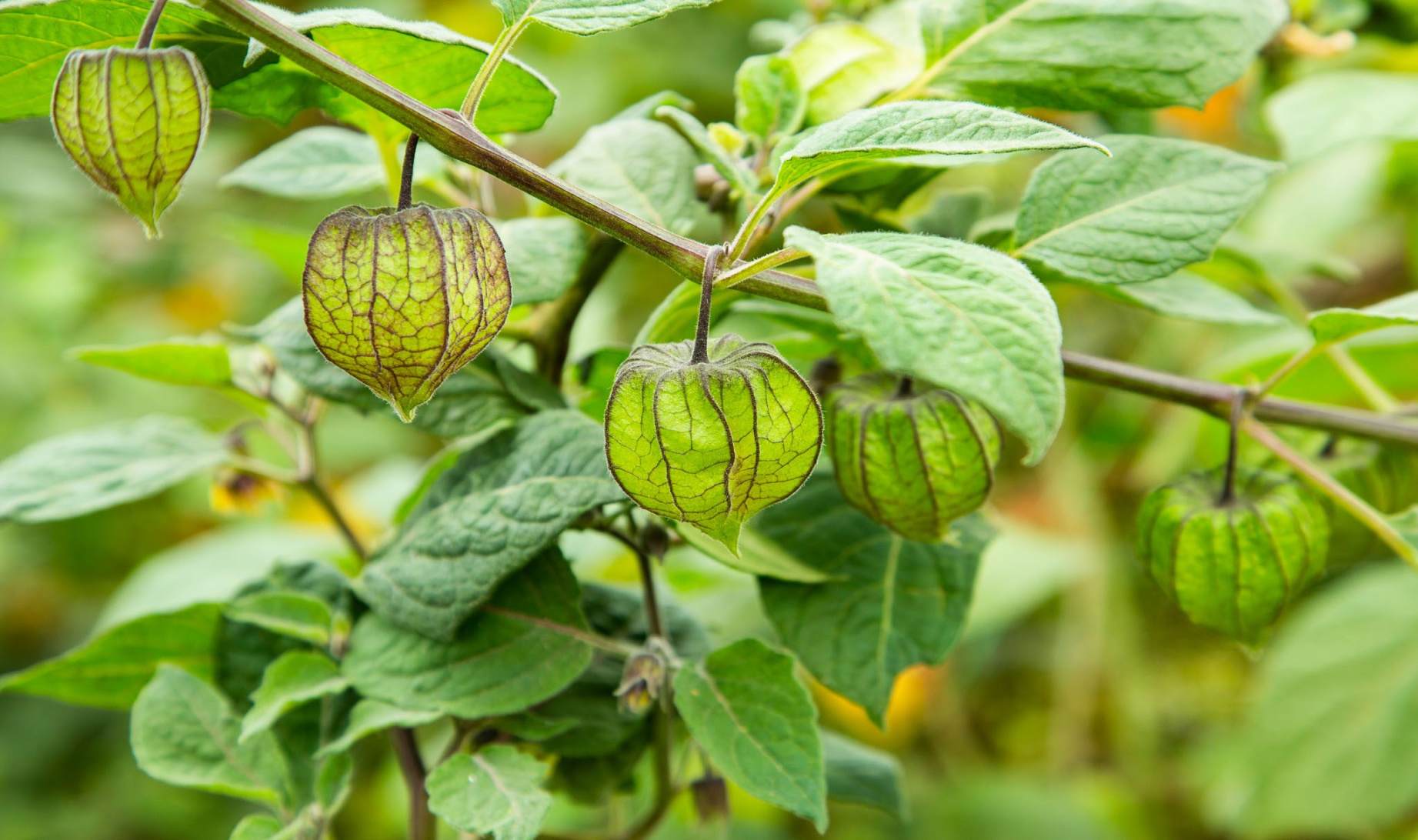
Unleashing the Potential: The Versatile Chinese Gooseberry Plant
When it comes to unique and versatile fruits, the Chinese gooseberry plant stands out from the crowd. Also known as kiwi fruit, this exotic plant offers a plethora of benefits for both gardeners and fruit enthusiasts. From its vibrant green flesh to its tangy-sweet flavor, the Chinese gooseberry plant is a delightful addition to any garden or kitchen.
One of the most exciting aspects of the Chinese gooseberry plant is its versatility. Not only can you enjoy the fruit fresh off the vine, but you can also use it in a variety of culinary creations. From smoothies to salads to desserts, the possibilities are endless when it comes to incorporating this unique fruit into your meals.
But the benefits of the Chinese gooseberry plant don’t stop there. This plant is also incredibly easy to grow, making it a great option for both experienced gardeners and beginners alike. With the right care and attention, you can have a bountiful harvest of fresh kiwi fruit in no time.
To unleash the full potential of the Chinese gooseberry plant, it’s important to understand its unique growing requirements. This plant thrives in warm, sunny conditions with well-draining soil. It’s also important to provide adequate support for the vine to climb, as the Chinese gooseberry plant is a vigorous grower.
In addition to providing the right growing conditions, it’s also important to prune and fertilize the Chinese gooseberry plant regularly. Pruning helps to promote healthy growth and fruit production, while fertilizing provides essential nutrients for the plant to thrive. With the right care and attention, you can enjoy a bountiful harvest of delicious kiwi fruit year after year.
Once you’ve harvested your kiwi fruit, it’s time to start enjoying the fruits of your labor. Whether you prefer to eat it fresh, add it to a smoothie, or incorporate it into a savory dish, the Chinese gooseberry plant offers endless possibilities for culinary creativity. Its tangy-sweet flavor adds a unique twist to any dish, making it a favorite ingredient among chefs and home cooks alike.
But the benefits of the Chinese gooseberry plant extend beyond its delicious fruit. This plant is also packed with essential nutrients and antioxidants, making it a healthy addition to your diet. Kiwi fruit is high in vitamin C, vitamin K, and fiber, making it a great choice for supporting overall health and well-being.
In conclusion, the Chinese gooseberry plant is a versatile and unique fruit that offers a wide range of benefits for both gardeners and fruit enthusiasts. From its delicious flavor to its health benefits, this plant is a delightful addition to any garden or kitchen. By understanding its growing requirements and culinary possibilities, you can unleash the full potential of the Chinese gooseberry plant and enjoy its delicious fruit for years to come.
From Garden to Table: Growing and Enjoying this Unique Fruit
The Chinese gooseberry plant, also known as the kiwi fruit plant, is a versatile and unique fruit that can be easily grown in your garden and enjoyed at your table. With its fuzzy brown skin and bright green flesh, the kiwi fruit is not only delicious but also packed with nutrients like Vitamin C, Vitamin K, and fiber. In this guide, we will explore how you can successfully grow and enjoy this exotic fruit in your own backyard.
To start growing your own Chinese gooseberry plant, you will need a sunny location with well-draining soil. Kiwi plants thrive in full sun and can tolerate a wide range of soil types, as long as it is not waterlogged. Plant your kiwi vines in early spring, making sure to space them at least 10 feet apart to allow for proper air circulation.
Once your kiwi vines are planted, make sure to provide them with a sturdy trellis or support structure to help them grow upwards. Kiwi vines are vigorous climbers and will quickly take over your garden if not properly trained. Prune your kiwi vines in late winter to promote new growth and keep them in check.
As your kiwi vines grow, they will begin to produce small white flowers in early summer. These flowers are essential for fruit production, so make sure to protect them from late frosts or strong winds. Once the flowers are pollinated, small green fruits will start to form and will ripen by late summer or early fall.
Harvesting your kiwi fruit is a rewarding experience, as you get to enjoy the fruits of your labor. When the kiwi fruits are fully ripe, they will give slightly to gentle pressure and have a sweet aroma. Pick the fruits carefully to avoid damaging the delicate skin, and store them in a cool, dark place to prolong their shelf life.
When it comes to enjoying your freshly harvested kiwi fruit, the possibilities are endless. You can simply peel and eat the fruit as a healthy snack, or slice it up and add it to salads, smoothies, or desserts. Kiwi fruit can also be used in savory dishes, like salsas or marinades, to add a unique twist to your meals.
If you have an abundance of kiwi fruit, consider preserving them for later use. You can freeze sliced kiwi fruit for smoothies or desserts, or make homemade kiwi jam or chutney to enjoy throughout the year. The tartness of kiwi fruit pairs well with sugar and other fruits, making it a versatile ingredient in the kitchen.
In addition to being delicious and versatile, kiwi fruit is also incredibly healthy. It is high in antioxidants, which can help boost your immune system and protect against chronic diseases. Kiwi fruit is also a good source of fiber, which can aid in digestion and promote a healthy gut microbiome.
Overall, growing and enjoying Chinese gooseberry plants can be a rewarding experience for any gardener. With the right care and attention, you can enjoy a bountiful harvest of delicious and nutritious kiwi fruit year after year. So why not add a touch of exotic flair to your garden and table with this unique fruit?