Spark Joy with Stunning Petunia Blooms!
Petunias are one of the most beloved flowers in the world, known for their vibrant colors and delicate petals. Planting petunia seeds can be a rewarding experience that brings beauty and joy to any garden. Whether you are a seasoned gardener or a novice, growing petunias is a great way to add color and life to your outdoor space.
When it comes to planting petunia seeds, there are a few key steps to keep in mind. First, choose a sunny spot in your garden that receives at least six hours of sunlight per day. Petunias thrive in full sun and will produce more blooms in a sunny location. Make sure the soil is well-draining and enriched with organic matter to provide the best growing conditions for your petunias.
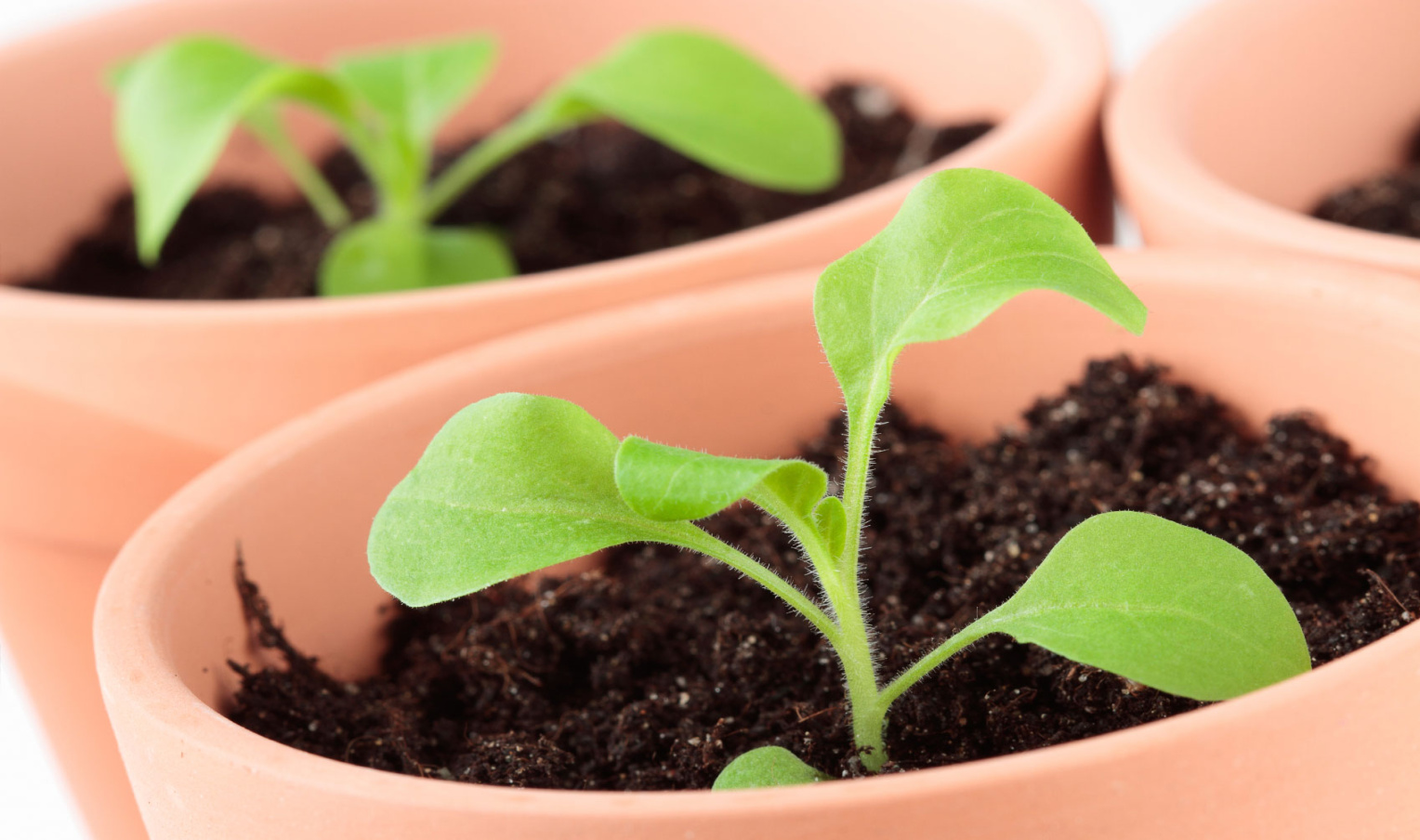
Once you have selected the perfect spot for your petunias, it’s time to plant the seeds. Petunia seeds are tiny, so it’s important to handle them with care. You can either start your petunia seeds indoors in a seed tray or sow them directly in the garden. If you choose to start your seeds indoors, make sure to give them plenty of light and keep the soil consistently moist until the seedlings are ready to be transplanted outdoors.
When planting petunia seeds outdoors, sow them thinly and cover them lightly with soil. Water the seeds gently to avoid washing them away, and keep the soil moist until the seeds germinate. Once the seedlings have emerged, thin them out to allow for proper spacing between plants. This will help prevent overcrowding and promote healthy growth.
As your petunias begin to grow, make sure to water them regularly and feed them with a balanced fertilizer to encourage blooming. Deadhead faded flowers to promote continuous blooming throughout the growing season. Petunias are known for their long blooming period, so with proper care, you can enjoy their stunning blooms for months on end.
One of the best things about petunias is their versatility. They come in a wide range of colors, from soft pastels to vibrant hues, making it easy to create stunning combinations in your garden. Whether you prefer a monochromatic display or a riot of colors, petunias can be mixed and matched to suit your personal style.
In addition to their beauty, petunias also attract pollinators such as bees and butterflies to your garden. By planting petunias, you are not only adding color to your outdoor space but also supporting local wildlife and promoting biodiversity. It’s a win-win for both you and the environment!
In conclusion, planting petunia seeds is a wonderful way to bring beauty and joy to your garden. With their stunning blooms, vibrant colors, and long blooming period, petunias are sure to spark joy in any gardener’s heart. So why not add some petunias to your garden this season and enjoy the beauty they bring to your outdoor space?
Step-by-Step Guide to Planting Petunia Seeds
Petunias are a popular choice for many gardeners due to their vibrant colors and beautiful blooms. Planting petunia seeds can be a fun and rewarding experience, as you watch these flowers grow and thrive in your garden. In this step-by-step guide, we will walk you through the process of planting petunia seeds to help you achieve a stunning display of blooms in your garden.
Step 1: Choosing the Right Seeds
Before you start planting petunia seeds, it is important to choose the right seeds for your garden. There are many different varieties of petunias available, each with their own unique colors and characteristics. Consider the specific needs of your garden, such as sunlight levels and soil type, when selecting your petunia seeds.
Step 2: Preparing the Soil
Once you have chosen your petunia seeds, it is time to prepare the soil for planting. Petunias thrive in well-draining soil that is rich in nutrients. Begin by loosening the soil with a garden fork or tiller to ensure good aeration. Remove any weeds or debris from the area where you will be planting your petunia seeds.
Step 3: Planting the Seeds
When planting petunia seeds, it is important to follow the instructions on the seed packet for the specific variety you have chosen. In general, petunia seeds should be planted 1/8 inch deep in the soil. Space the seeds at least 6 inches apart to allow room for the plants to grow and spread.
Step 4: Watering and Care
After planting your petunia seeds, be sure to water them thoroughly to provide the moisture they need to germinate. Keep the soil consistently moist but not waterlogged to prevent rotting. As the seedlings begin to grow, continue to water them regularly, especially during dry spells.
Step 5: Transplanting Seedlings
Once your petunia seedlings have grown to a size where they have developed their first set of true leaves, they can be transplanted into your garden or a larger container. Carefully remove the seedlings from their original planting site, being sure to disturb the roots as little as possible. Plant them in the prepared soil, spacing them according to the recommendations on the seed packet.
Step 6: Fertilizing
To encourage healthy growth and abundant blooms, it is important to fertilize your petunias regularly. Choose a balanced fertilizer that is formulated for flowering plants and apply it according to the instructions on the packaging. Be sure to water your petunias after fertilizing to help the nutrients penetrate the soil and reach the roots.
Step 7: Pruning and Deadheading
To keep your petunias looking their best, it is important to prune them regularly. Remove any dead or faded flowers to encourage new growth and prolong the blooming period. Petunias respond well to pruning and will often produce more blooms when deadheaded regularly.
Step 8: Enjoying Your Blooms
Once you have followed these steps and cared for your petunias diligently, you can sit back and enjoy the beautiful blooms that they produce. Whether you have planted petunias in hanging baskets, containers, or garden beds, their vibrant colors and delicate fragrance will bring joy to your garden and attract pollinators such as butterflies and bees.
In conclusion, planting petunia seeds is a rewarding experience that can result in a stunning display of blooms in your garden. By following these step-by-step instructions and providing the care that petunias need to thrive, you can enjoy a season filled with beautiful flowers and vibrant colors. So grab your gardening gloves and get ready to grow some gorgeous petunias!