Unleash the Magic: How to Grow Your Own Saffron Plants
Welcome to the enchanting world of saffron cultivation! Saffron, also known as the golden spice, is a highly prized and valuable spice that has been used for centuries in cooking, medicine, and even as a dye. Growing your own saffron plants can be a rewarding and magical experience, as you watch these delicate flowers bloom and harvest the precious crimson stigmas that are the source of saffron.
To start your saffron growing journey, you will need to obtain saffron corms, which are the bulbs from which the saffron plants grow. Saffron corms can be purchased from specialty nurseries or online suppliers. It is important to choose high-quality corms to ensure a successful harvest of saffron.
Once you have your saffron corms, it’s time to plant them. Saffron plants thrive in well-drained soil with plenty of sunlight, so choose a sunny spot in your garden or a well-draining pot for container gardening. Plant the corms in the fall, spacing them about 4 inches apart and burying them about 2 inches deep in the soil. Water the corms well after planting to help them establish roots.
As winter sets in, the saffron corms will lay dormant underground, preparing to bloom in the spring. In late winter or early spring, you will start to see the first signs of life as green shoots emerge from the soil. These shoots will grow into long, slender leaves that resemble blades of grass.
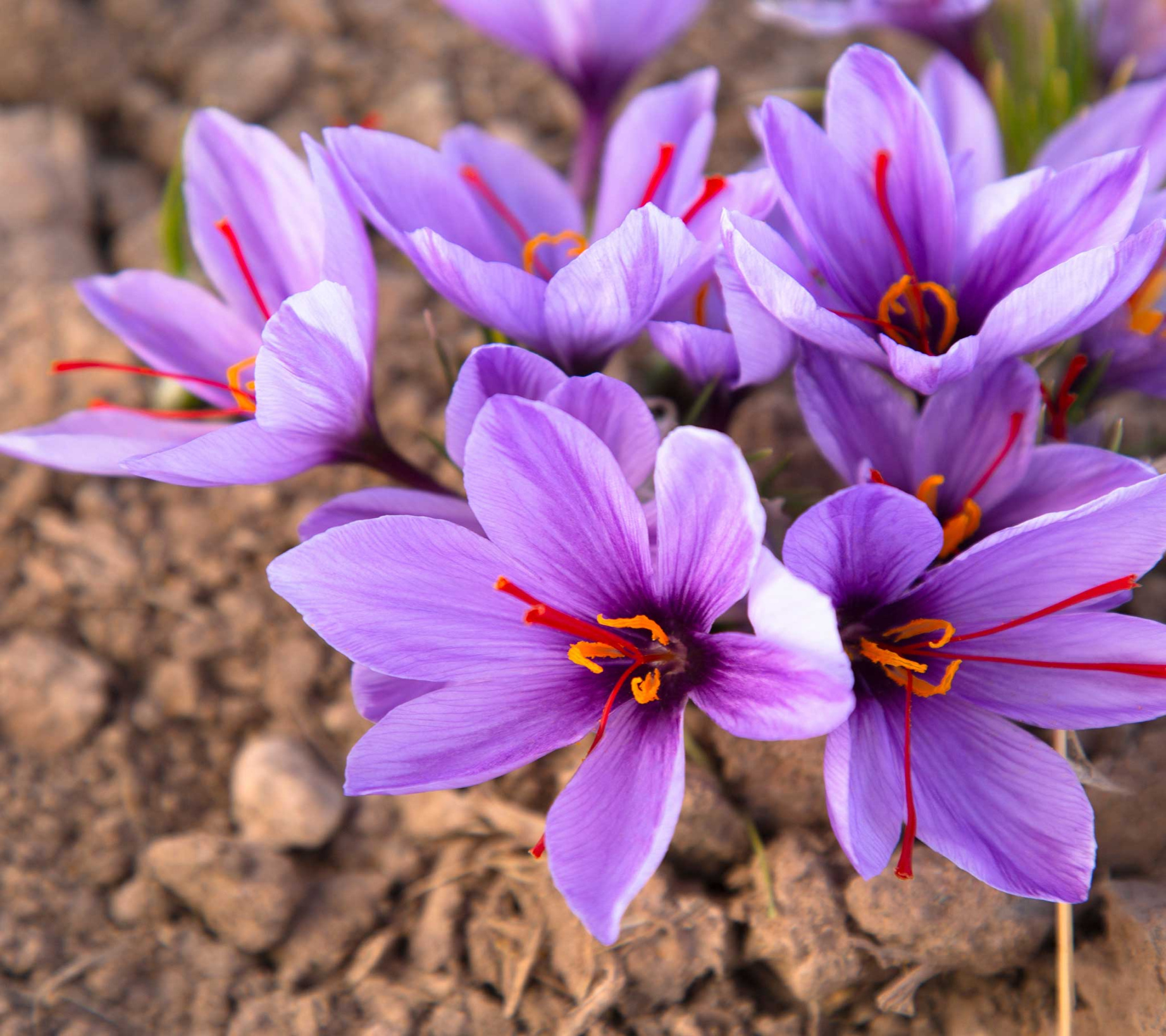
In the late summer or early fall, the saffron plants will bloom, producing delicate purple flowers with bright red stigmas. These stigmas are the precious saffron threads that are harvested by hand. To harvest saffron, carefully pluck the stigmas from the flowers, being careful not to damage them. The harvested saffron threads can be dried and stored for later use in cooking or medicinal purposes.
Growing saffron plants requires patience and attention to detail, but the rewards are well worth the effort. Not only will you have a fresh and abundant supply of saffron for your culinary creations, but you will also have the satisfaction of growing your own golden spice from start to finish.
In addition to its culinary uses, saffron also has a long history of medicinal and therapeutic uses. Saffron has been used in traditional medicine for centuries to treat a variety of ailments, from depression and anxiety to digestive issues and inflammation. The unique compounds found in saffron, such as crocin and safranal, have been shown to have antioxidant, anti-inflammatory, and mood-enhancing properties.
As you tend to your saffron plants and watch them grow and bloom, remember the magical and mystical history of this precious spice. Saffron has been prized by civilizations throughout history for its vibrant color, exotic aroma, and unique flavor. By growing your own saffron plants, you are not only connecting with this rich history, but also contributing to the preservation and continuation of this valuable spice for generations to come.
So go ahead, unleash the magic of saffron and start your own saffron growing adventure. With a little care and patience, you can enjoy the beauty and bounty of this golden spice right in your own backyard. Happy growing!
Savor the Riches: A Beginner’s Guide to Cultivating Saffron
Welcome to the wonderful world of saffron cultivation! Whether you are a seasoned gardener or a novice looking to try your hand at growing this precious spice, you have come to the right place. Saffron, known as the golden spice, is not only a valuable commodity but also a joy to grow in your own garden.
When it comes to cultivating saffron, there are a few key things to keep in mind. First and foremost, saffron plants thrive in sunny, well-drained soil. It is important to choose a location in your garden that receives plenty of sunlight throughout the day. If you live in a colder climate, consider planting your saffron bulbs in pots that can be brought indoors during the winter months.
Saffron plants are surprisingly easy to grow, making them a perfect choice for beginners. The most common way to grow saffron is from bulbs, which should be planted in the fall for blooms in the following spring. When planting your saffron bulbs, be sure to space them at least four inches apart to allow for proper growth.
One of the most exciting aspects of cultivating saffron is watching the flowers bloom. Saffron flowers are a beautiful shade of purple with vibrant red stigmas, which are the actual saffron threads. These threads can be carefully harvested and dried to create the prized spice that is used in cooking around the world.
In addition to being aesthetically pleasing, saffron flowers also attract beneficial pollinators to your garden. Bees and butterflies are particularly drawn to the bright colors of saffron flowers, making them a valuable addition to any garden ecosystem.
Once your saffron flowers have bloomed, it is time to harvest the precious saffron threads. This process can be a bit labor-intensive, as each flower only produces a few threads, but the reward is well worth the effort. To harvest saffron, carefully pluck the threads from the center of the flower and lay them out to dry in a warm, dark place.
After drying, your saffron threads can be stored in an airtight container for future use. Saffron is a versatile spice that can be used in a wide variety of dishes, from paella to risotto to baked goods. Its unique flavor adds depth and complexity to any recipe, making it a valuable addition to any kitchen.
In conclusion, cultivating saffron is a rewarding experience that is perfect for beginners and seasoned gardeners alike. With a little bit of care and attention, you can enjoy the beauty of saffron flowers and the rich flavor of this precious spice in your own home. So why not take the plunge and start growing your own saffron plants today? The golden spice awaits!